

Choosing the right material for your new roof is one of the most important decisions you will make for your home. Your roof plays a major role in protecting your property, maintaining comfort, and contributing to overall curb appeal. Different materials offer unique benefits, ranging from durability and weather resistance to style and energy efficiency. Taking the time to understand your options helps ensure you select a roofing material that not only looks great but also performs well over time.
Beyond appearance, the roofing material you choose also impacts long-term costs, maintenance needs, and overall lifespan. Some materials require frequent upkeep, while others are built to withstand harsh conditions with minimal care. Thinking carefully about climate, budget, and personal preferences allows you to make a confident and informed decision. With the right choice, your roof can provide security, strength, and lasting value for years to come.
- Considering the Durability of Different Roofing Materials
- Evaluating the Overall Cost and Long-Term Value
- Understanding the Maintenance Needs of Each Option
- Thinking About Weather Resistance and Protection
- Comparing the Lifespan of Various Roofing Materials
- Looking at the Aesthetic Appeal and Style Options
- Assessing Energy Efficiency and Insulation Benefits
- Exploring Eco-Friendly and Sustainable Roofing Choices
- Considering Installation Time and Project Complexity
- Choosing a Material That Fits Your Home and Lifestyle
Considering the Durability of Different Roofing Materials
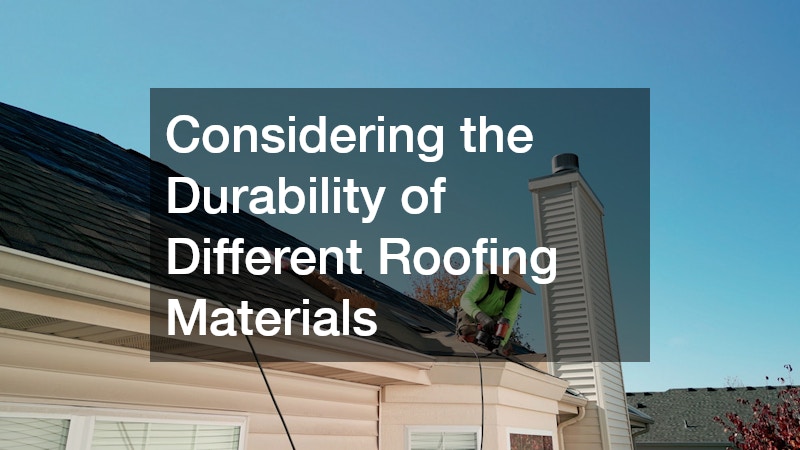
Durability should always be one of the first factors to consider when selecting a roofing material. Your roof is constantly exposed to sun, wind, rain, and seasonal weather changes, so it needs to be able to withstand years of wear without failing. Some materials are known for long-lasting performance, while others may require replacement sooner or demand more frequent repairs. Thinking carefully about how well a material stands up to everyday conditions can help you make a smarter investment for your home.
More specifically, certain options are designed to provide dependable strength and stability even in harsh environments. A durable system helps protect your home’s structure while reducing the likelihood of unexpected issues that lead to expensive maintenance. Homeowners who prioritize strong, dependable solutions often turn to high-quality residential roofing materials that are proven to hold up well under consistent use. By focusing on durability, you help ensure your new roof remains reliable and protective for many years.
Evaluating the Overall Cost and Long-Term Value
Cost is another major factor when choosing roofing materials, but it is important to think beyond the initial price. Some materials may be cheaper upfront but require frequent maintenance, repairs, or early replacement. Others may cost more initially but offer greater longevity, fewer issues, and better overall performance. Evaluating the true value of each option means considering both what you pay now and what you may spend over the lifetime of the roof.
On a more specific level, homeowners should think about installation expenses, expected lifespan, and potential savings from improved performance. A material that offers strong protection, requires minimal upkeep, and maintains structural stability over time often proves to be the most cost-effective choice. Many people benefit from discussing their options with experienced roofing companies to better understand price ranges, value, and long-term financial impact. When cost and value are weighed together, it becomes easier to choose a roofing material that truly benefits your home and budget.
Understanding the Maintenance Needs of Each Option

Another important part of choosing a roofing material is understanding how much maintenance it will require over time. Some roofs need regular cleaning, inspections, or treatments to remain in good condition, while others are relatively low maintenance. Knowing how much time, effort, and money you are willing to invest in upkeep can help guide your decision. A roofing material that fits your lifestyle and maintenance preferences will be easier to care for and more satisfying in the long run.
On a more specific level, maintenance needs can vary greatly depending on climate, surrounding environment, and material quality. Homeowners who want peace of mind often prefer options that resist damage, require fewer repairs, and remain dependable with basic care. Consulting with professional roofing contractors can help you better understand how much attention different materials may need and what type of maintenance schedule to expect. Choosing a material with manageable upkeep ensures your roof stays strong and attractive without constant concern.
Thinking About Weather Resistance and Protection
Your roof’s ability to protect your home from the elements is one of its most important responsibilities. Different roofing materials respond differently to factors such as heavy rain, strong winds, extreme heat, or freezing temperatures. Choosing a material that performs well in your local climate can significantly improve your roof’s lifespan and reliability. Weather resistance is not just about durability; it is about ensuring your home stays safe, comfortable, and structurally sound.
More specifically, roofs that are not suited for local weather may experience cracking, warping, leaking, or premature wear. This can quickly lead to damage throughout the home, resulting in costly repairs and unnecessary stress. When weather challenges arise, it is reassuring to know your roof has the strength to handle them. Homeowners can reduce the risk of problems by selecting materials that provide excellent protection and addressing concerns promptly with reliable roofing repairs when needed. Choosing a weather-resistant roof is one of the best ways to safeguard your property.
Comparing the Lifespan of Various Roofing Materials
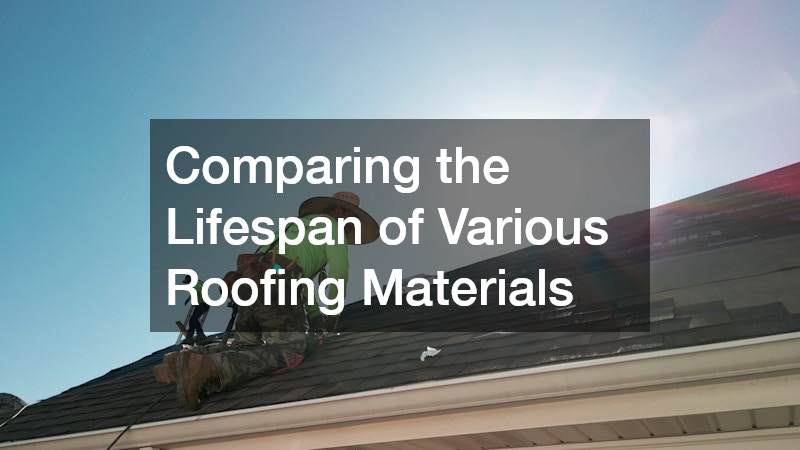
Every roofing material has a different expected lifespan, and understanding these differences can greatly influence your decision. Some roofs may last a couple of decades, while others can protect a home for much longer with the right care. Thinking about how long you plan to stay in your home, along with how important longevity is to you, can help narrow down your options. A longer-lasting roof can provide greater peace of mind and reduce the need for frequent replacements.
More specifically, materials known for long-term durability may cost more at first but often pay off through reliability and reduced maintenance over time. On the other hand, shorter-lifespan options may seem appealing initially but can lead to additional expenses down the road. Speaking with knowledgeable local roofing companies can help you compare realistic lifespan expectations, performance levels, and investment value for each option. When you understand how long different materials are likely to last, it becomes much easier to choose the best fit for your home.
Looking at the Aesthetic Appeal and Style Options
Your roof plays a major role in the overall appearance of your home, so choosing a material that aligns with your style preferences is important. Different materials offer different textures, colors, and design possibilities, allowing homeowners to enhance curb appeal and complement the architectural style of the property. Whether you prefer a modern look, a more traditional appearance, or something unique, the right roofing material can help complete your home’s visual identity. A roof that looks appealing can also increase pride in ownership and contribute to the home’s value.
On a more specific level, some roofing options can be enhanced with additional finishes that improve both appearance and performance. Certain materials allow customization through added layers or protective finishes that help improve color retention, weather resistance, and overall durability. For example, some homeowners explore options like roof coatings to achieve better visual appeal while also strengthening protection. By considering both style and performance together, homeowners can choose a roofing material that looks great and stands the test of time.
Assessing Energy Efficiency and Insulation Benefits

Energy efficiency is another key factor to consider when choosing a roofing material, especially for homeowners concerned with comfort and utility costs. The right roofing system can help regulate indoor temperatures, reducing the strain on heating and cooling systems. This can make your home more comfortable year-round and may even contribute to lower energy bills. Thinking about how your roof impacts energy use can help you choose a material that benefits both your home and your budget in the long run.
More specifically, certain materials are designed to reflect heat, improve insulation, or better manage temperature transfer. Homes in hot climates may benefit from roofs that reduce heat absorption, while colder climates may require better insulation properties. Many homeowners find that durable options such as metal roofing help improve energy performance while also offering strength and longevity. When energy efficiency is factored into your decision, your roof becomes more than just protection; it becomes part of a smarter, more efficient home.
Exploring Eco-Friendly and Sustainable Roofing Choices
Sustainability has become increasingly important for many homeowners, and roofing materials play a major role in environmental impact. Some materials are more eco-friendly than others, offering benefits such as recyclability, reduced waste, or longer lifespan, which means fewer replacements over time. Choosing a sustainable roofing option allows homeowners to reduce their environmental footprint while still enjoying strong protection and appealing design. Thinking about sustainability ensures your roofing decision supports both your home and the environment.
On a more specific level, eco-friendly roofing solutions may involve materials that are designed to last longer, use fewer resources, or provide better efficiency benefits. Homeowners may also consider how easily repairs can be made and how materials perform over time. For example, those using specialized systems may find that services like foam roof repair help extend the life of their roofing material, reducing waste and the need for early replacement. By exploring sustainable choices, homeowners can invest in a roof that supports durability, environmental responsibility, and long-term value.
Considering Installation Time and Project Complexity
Another important factor in choosing a roofing material is understanding how complex the installation process will be. Some materials require specialized knowledge, additional structural support, or longer installation times, which can impact both cost and scheduling. Homeowners should think about how long they are comfortable having their home under construction and whether they are prepared for more detailed installation requirements. Understanding the complexity ahead of time helps reduce surprises and ensures the project runs as smoothly as possible.
On a more specific level, some roofing systems require careful planning, structural assessment, or skilled installation techniques to ensure they perform correctly and safely. This is especially true for homeowners completing large renovations or new construction projects where the roof must integrate seamlessly with the home’s overall design. Many people choose to work with experienced custom home builders because they understand how to coordinate roofing choices with architectural needs, structural demands, and long-term performance goals. By considering installation complexity early in the decision-making process, homeowners can choose a roofing material that fits both their timeline and their expectations for quality.
Choosing a Material That Fits Your Home and Lifestyle
Beyond technical features, budget, and performance ratings, your roofing choice should ultimately fit your lifestyle and personal preferences. Homeowners should think about how they plan to use their home, how long they intend to stay in it, and what matters most to them day-to-day. Some people prioritize long lifespan, while others focus on appearance, low maintenance, or energy efficiency. Choosing the right roofing material means finding the balance between practicality and personal comfort so the roof supports your life, not just your house.
More specifically, lifestyle considerations may include how much maintenance you are willing to perform, whether you want a bold visual style or a more subtle look, and how important long-term investment value is to you. Families planning to stay in their home long-term may prefer durable materials with excellent longevity, while those planning to sell in the future may focus more on curb appeal and resale value. Speaking with an experienced expert roofer can help homeowners match their personal goals with the right material, ensuring the roof not only protects their home but enhances the way they live in it. When your roofing choice reflects both your needs and your lifestyle, it becomes a valuable asset rather than just another home feature.
Choosing the right material for your brand new roof is a decision that affects your home’s protection, comfort, appearance, and long-term value. A roof is much more than a surface over your head; it is one of the most important structural elements of your property. By carefully considering durability, cost, maintenance, weather protection, and lifespan, homeowners can approach this decision with clarity and confidence. Each material has unique strengths, and understanding them helps ensure your roof will serve you reliably for many years.
Beyond functionality, your roofing choice also influences energy efficiency, environmental impact, installation process, and personal satisfaction with your home. Taking the time to weigh your priorities and explore your options helps you make a decision that supports both your immediate needs and your long-term plans. Whether you prioritize strength, style, sustainability, or ease of maintenance, the right roofing material can enhance your home’s performance, protect your investment, and improve daily living. With thoughtful planning and informed choices, your new roof can provide lasting security, beauty, and peace of mind.