
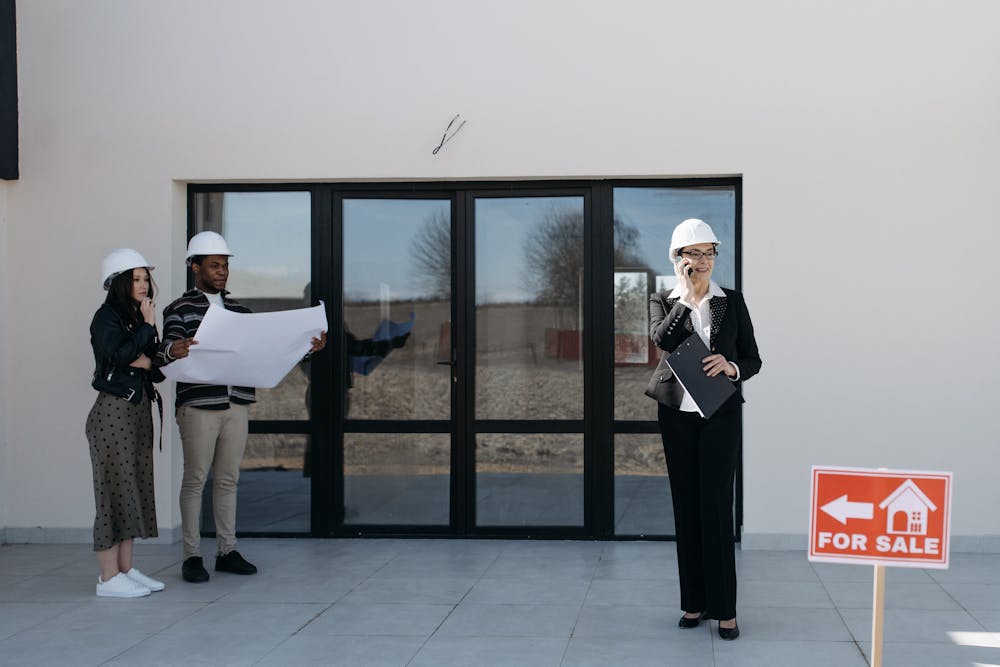
- Property development involves buying, improving, and selling or renting properties to generate profit.
- First-time developers should understand what property development is and the key stages: acquisition, planning, construction, and exit strategy.
- Essential skills include financial analysis, project management, market research, negotiation, and risk assessment.
- Finding the right opportunities requires studying location trends, undervalued properties, and networking with industry professionals.
- Major risks include budget overruns, permit delays, construction challenges, and market fluctuations.
- Beginners should start with small, manageable projects like renovations or property conversions to gain experience.
- Building a reliable team of contractors, agents, and advisors can help mitigate risks and increase project success.
Property development is often seen as an exciting path for people who want to build wealth through real estate. Instead of simply buying and renting out property, developers actively improve land or buildings to increase their value. This can involve constructing new homes, renovating older properties, or converting existing buildings into more profitable uses.
However, entering the industry requires more than enthusiasm. First-time developers must understand market trends, financing strategies, planning regulations, and project management basics. Without proper preparation, even promising projects can face costly setbacks. This guide explains what beginners need to know before starting their first development project and how to approach the process with confidence.
- How to Get Into Property Development: What Beginners Should Understand First
- What Skills Do First-Time Property Developers Need?
- How Do Developers Find the Right Property Opportunities?
- What Are the Biggest Risks in Property Development?
- How Can First-Time Developers Start Small?
- Conclusion: Building a Strong Foundation in Property Development
How to Get Into Property Development: What Beginners Should Understand First
Many aspiring developers jump into projects without fully understanding how the development process works. Property development involves transforming land or buildings to create greater value, which requires strategic planning and careful execution. Before committing to a project, beginners should focus on building foundational knowledge about the industry.
A good starting point is understanding what property development is and how developers generate profit. Developers typically buy land or property, improve it through construction or renovation, and sell or lease it for a higher value. Profit depends on managing costs, identifying opportunities, and timing the market correctly.
First-time developers should also familiarize themselves with the basic stages of a development project:
- Site acquisition – purchasing land or property with development potential
- Planning and approvals – securing permits and complying with local regulations
- Design and construction – working with architects and contractors
- Marketing and exit strategy – selling or renting the completed property
Understanding these stages early helps beginners avoid unrealistic expectations and prepares them for the complexities involved in development projects.
What Skills Do First-Time Property Developers Need?

Entering property development does not necessarily require a formal degree in real estate or construction. However, successful developers often combine several practical skills that help them manage projects effectively. Building these skills early increases the chances of completing projects on time and within budget.
One of the most important abilities is financial analysis. Developers must evaluate potential returns, estimate construction costs, and calculate profit margins before committing to a project. Without strong budgeting skills, unexpected expenses can quickly erode profits.
Other essential skills include:
- Project management – coordinating contractors, suppliers, and schedules
- Market research – identifying locations with strong demand
- Negotiation – securing favorable deals with sellers, lenders, and partners
- Risk assessment – anticipating challenges before they occur
While beginners may not master all these skills immediately, they can partner with experienced professionals such as real estate agents, architects, and contractors. Building a reliable team often makes the difference between a successful project and a costly mistake.
How Do Developers Find the Right Property Opportunities?
One of the biggest challenges for new developers is identifying properties with real development potential. Not every building or piece of land can be turned into a profitable project. Successful developers learn to spot opportunities where improvements can significantly increase value.
Location remains one of the most important factors. Areas experiencing population growth, infrastructure improvements, or new commercial developments often offer promising opportunities. Researching local property trends helps developers identify neighborhoods with rising demand.
Developers commonly look for opportunities such as:
- Undervalued properties that need renovation
- Large lots that can be subdivided
- Old buildings that can be repurposed or converted
- Vacant land in expanding communities
Networking also plays an important role in finding deals. Real estate agents, investors, and local developers often know about potential opportunities before they appear on the open market. Building relationships within the industry can help beginners access better projects.
What Are the Biggest Risks in Property Development?
Property development offers strong profit potential, but it also involves significant risks. Many beginners underestimate the challenges involved in managing construction, financing, and market fluctuations. Understanding these risks helps first-time developers make better decisions and avoid costly mistakes.
One common risk is budget overruns. Construction costs can increase due to material shortages, labor issues, or design changes. Without contingency funds, developers may struggle to complete projects or achieve their expected returns.
Other risks to consider include:
- Delays in planning approvals or permits
- Unexpected structural problems during renovation
- Market downturns affecting property values
- Poor contractor performance
To reduce these risks, developers should conduct detailed feasibility studies before purchasing property. Working with experienced professionals such as engineers, surveyors, and legal advisors can also help identify potential issues early in the process.
How Can First-Time Developers Start Small?
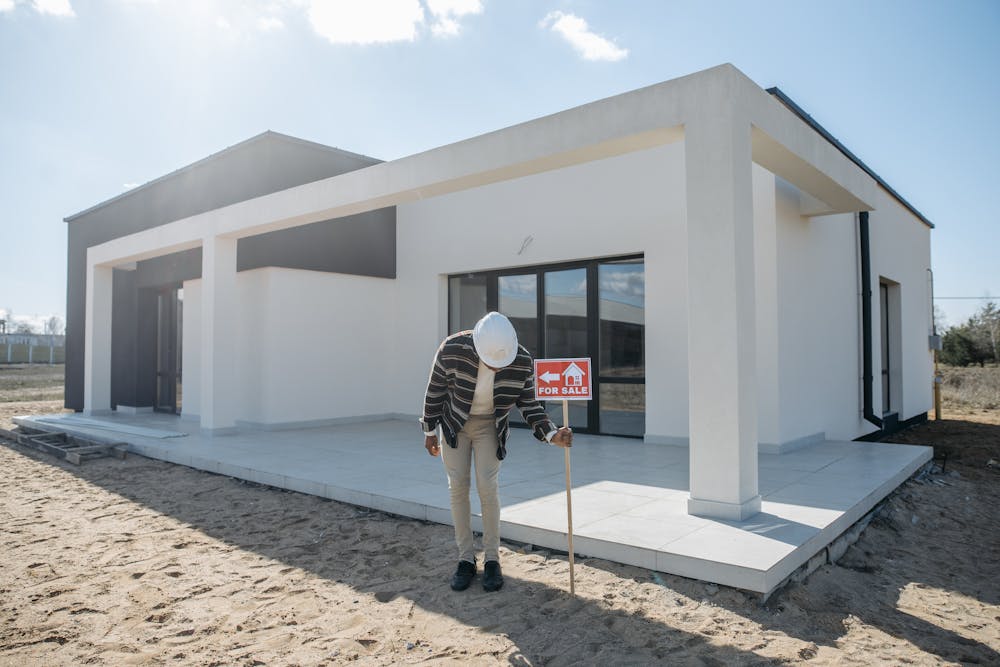
Starting small is often the best approach for beginners entering property development. Instead of attempting large construction projects immediately, new developers can gain experience through manageable projects that require lower capital and risk.
Renovating a single property is one of the most common entry points. A modest renovation project allows beginners to learn about budgeting, contractor management, and timelines without taking on excessive financial pressure.
Examples of beginner-friendly projects include:
- Renovating older homes to increase resale value
- Converting single-family homes into multi-unit rentals
- Adding extensions or additional rooms
- Improving outdoor spaces to boost property appeal
These smaller projects help developers build experience, confidence, and industry connections. Over time, they can gradually move on to larger developments such as multi-unit residential projects or mixed-use properties.
Conclusion: Building a Strong Foundation in Property Development
Entering property development can be rewarding, but success rarely happens overnight. First-time developers must take the time to understand the development process, build essential skills, and carefully evaluate potential opportunities. A well-planned project supported by thorough research significantly increases the chances of success.
Beginners should also remember that experience is one of the most valuable assets in this industry. Starting with smaller projects allows developers to gain practical knowledge while minimizing financial risk. By learning from each project and continuously improving their strategies, aspiring developers can gradually build a profitable and sustainable property development career.