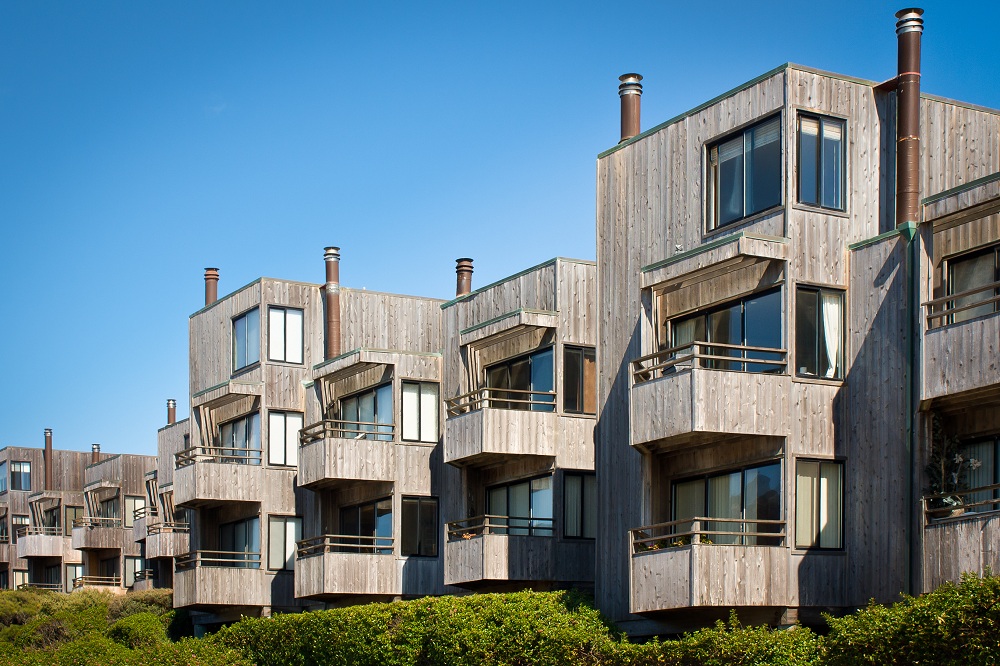
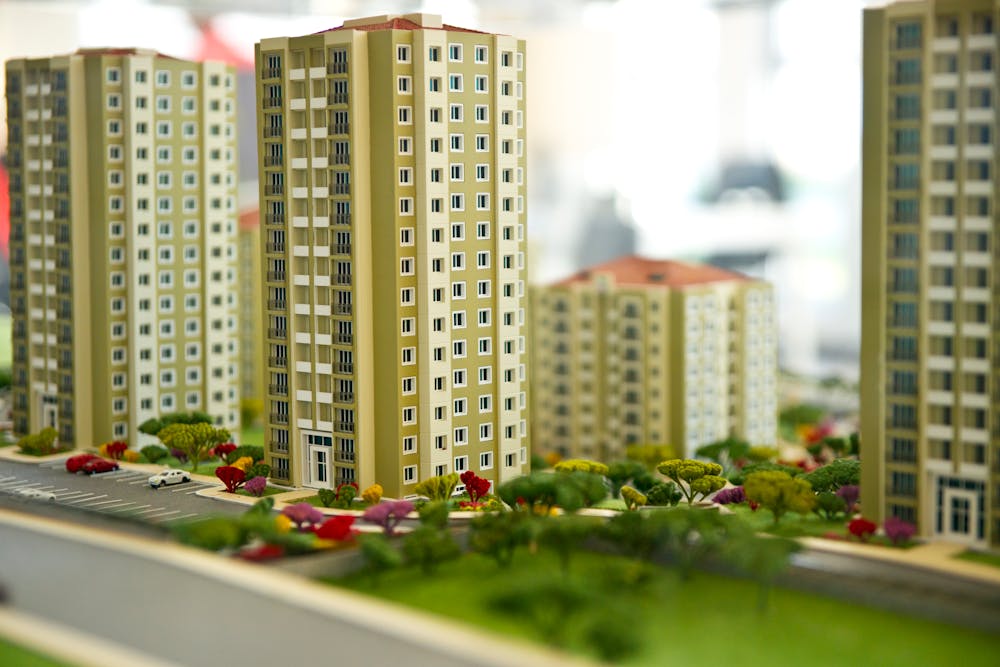
- Property development involves transforming land or existing buildings into higher-value real estate through construction, renovation, or land-use improvements.
- Developers generate profit by increasing property value, then earning income through property sales, rental income, or land appreciation.
- The development process includes several stages, such as land acquisition, feasibility studies, project planning, construction, and marketing or selling the finished property.
- Successful property development requires significant capital and careful financial planning, including managing costs like land purchase, construction, permits, and financing.
- Market research and location selection are critical, as demand, infrastructure, and economic trends greatly affect a project’s profitability.
- Although profitable, property development carries risks, including market fluctuations, construction delays, and regulatory challenges.
Property development is a major driver of economic growth, urban expansion, and housing availability around the world. From residential neighborhoods to large commercial complexes, property developers play a central role in transforming raw land or outdated buildings into valuable real estate assets. While many people see the finished buildings, few understand the complex planning, financial strategy, and risk management that occur behind the scenes.
For investors and aspiring entrepreneurs, property development can be an attractive field because of its potential for substantial returns. However, success requires knowledge of the development process, market trends, financing strategies, and project management. Understanding how developers create value and generate profits can provide insight into how real estate markets function.
This article explores the fundamentals of property development, the stages involved in a typical development project, and the various ways developers make money. Whether you are curious about real estate development or considering entering the industry, this guide provides a clear and practical overview.
- What Is Property Development?
- The Property Development Process: From Land to Finished Project
- What Is Property Development and How Do Developers Make Money?
- What Costs Do Property Developers Need to Consider?
- What Risks Are Involved in Property Development?
- Why Property Development Is Important for Economic Growth
- Conclusion: Understanding the Profit Potential of Property Development
What Is Property Development?
Property development refers to the process of purchasing land or existing property and improving it to increase its value. Developers may construct new buildings, renovate existing structures, or convert properties for new uses. These improvements transform underutilized or outdated spaces into residential, commercial, or mixed-use developments that serve modern needs.
At its core, property development involves identifying opportunities where land or buildings can be used more efficiently. Developers analyze market demand, secure financing, hire contractors, and manage construction projects from concept to completion. Their goal is to create a finished property that is worth more than the combined cost of acquiring and developing it.
Key Activities Involved in Property Development
Several tasks must be completed during the development process. These activities often involve multiple professionals and extensive planning.
Common development activities include:
- Purchasing land or existing buildings
- Conducting feasibility and market studies
- Securing permits and regulatory approvals
- Designing the project with architects and engineers
- Managing construction and development timelines
- Marketing or selling the finished property
Each of these stages requires expertise and careful coordination. Developers must balance financial considerations, construction logistics, and market conditions to ensure a successful project.
Types of Property Development Projects
Developers work on different types of projects depending on market demand and investment goals. Each category has unique challenges and profit potential.
Common types of developments include:
- Residential development – houses, apartments, condominiums, and housing communities
- Commercial development – office buildings, retail centers, and business complexes
- Industrial development – warehouses, logistics hubs, and manufacturing facilities
- Mixed-use development – projects that combine residential, commercial, and recreational spaces
Understanding the type of development helps determine the investment strategy, financing structure, and timeline required to complete the project.
The Property Development Process: From Land to Finished Project
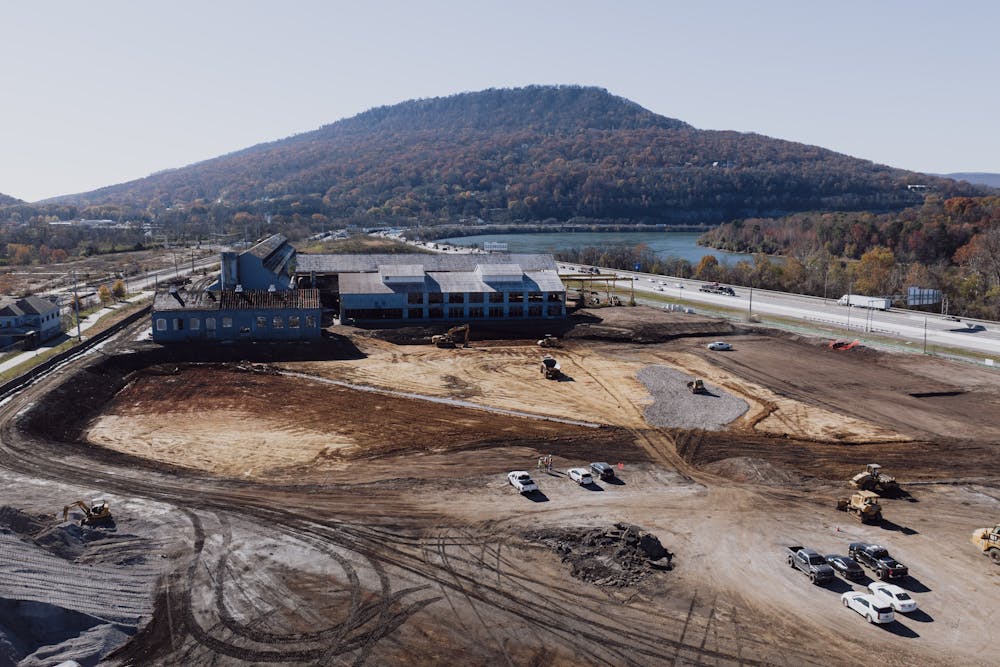
Property development projects rarely happen overnight. Instead, they follow a structured process that includes planning, financing, design, construction, and sales. Each stage contributes to transforming an idea into a completed property that generates revenue.
The development process can take several months to several years, depending on the size and complexity of the project. Developers must manage risks, coordinate with multiple stakeholders, and make strategic decisions at every stage. Proper planning is essential because mistakes during early phases can lead to costly delays later.
Land Acquisition and Site Selection
Every property development project begins with identifying a suitable site. Developers research potential locations and evaluate factors such as accessibility, zoning regulations, market demand, and infrastructure availability.
Important considerations during site selection include:
- Population growth and housing demand
- Proximity to transportation and business districts
- Local development regulations
- Environmental conditions and land suitability
Choosing the right location can significantly influence the profitability of the project.
Feasibility Studies and Project Planning
Once land is secured, developers conduct feasibility studies to determine whether the project is financially viable. This stage involves estimating development costs, projected revenue, and market demand.
Feasibility studies typically evaluate:
- Construction costs
- Market rental or sale prices
- Financing requirements
- Expected return on investment
If the numbers indicate strong potential profitability, the developer proceeds with detailed project planning.
Construction and Project Management
After planning and approval, construction begins. Developers hire contractors, engineers, architects, and project managers to build the property according to the design specifications.
During construction, developers monitor progress, manage budgets, and ensure that timelines are met. Effective project management is critical because construction delays can increase costs and reduce profits.
What Is Property Development and How Do Developers Make Money?
One of the most common questions about real estate development is how developers generate profit. The answer lies in the value they create through strategic planning, construction, and market positioning. Developers essentially transform low-value assets into high-value properties.
The profit potential comes from increasing a property’s worth beyond its acquisition and development costs. This can happen through building new structures, improving infrastructure, or repositioning properties in high-demand markets. Successful developers carefully analyze the financial aspects of each project before investing resources.
Selling the Completed Property
One of the most straightforward ways developers earn money is by selling the completed project. After construction is finished, the developer sells residential units, office spaces, or commercial buildings to buyers.
This model works particularly well for residential developments such as condominiums or housing communities. Profit is generated from the difference between the total development cost and the selling price of the units.
Generating Rental Income
Some developers choose to retain ownership of the completed property and generate income through leasing. This strategy provides long-term revenue instead of immediate profits.
Examples of properties that produce rental income include:
- Apartment buildings
- Office complexes
- Shopping malls
- Industrial warehouses
In this model, developers benefit from recurring rental payments while the property may also appreciate in value over time.
Land Value Appreciation
Another way developers profit is by increasing the value of land through planning approvals and infrastructure improvements. Sometimes the land becomes significantly more valuable even before construction begins.
For example, obtaining zoning approvals or development permits can raise the land’s market value. Developers may sell the approved site to another builder for a profit without completing the project themselves.
What Costs Do Property Developers Need to Consider?
While property development can be highly profitable, it also involves substantial costs. Developers must carefully manage expenses to ensure that the project remains financially viable. Unexpected cost increases can quickly reduce profit margins.
Understanding the different types of development costs helps investors and developers plan budgets accurately. These expenses typically begin long before construction starts and continue until the project is completed and sold.
Major Development Expenses
Several major cost categories affect the overall development budget.
Key expenses include:
- Land acquisition costs
- Architectural and engineering fees
- Construction materials and labor
- Permit and regulatory fees
- Financing and loan interest
- Marketing and sales costs
Each of these costs must be carefully calculated when determining whether a project is financially feasible.
Financing and Capital Requirements
Property development requires large amounts of capital. Few developers fund projects entirely with their own money, so external financing is often necessary.
Common financing sources include:
- Bank loans or construction loans
- Private investors
- Real estate investment funds
- Joint venture partnerships
Developers must balance financing costs with expected profits to ensure that borrowing does not reduce overall returns.
What Risks Are Involved in Property Development?
Despite its potential rewards, property development carries significant risks. Market conditions, regulatory changes, and construction challenges can all affect the success of a project. Developers must be prepared to handle uncertainty and adapt to changing circumstances.
Risk management is a critical component of successful development projects. Experienced developers perform extensive research and maintain contingency plans to address potential issues. Careful planning and financial discipline can reduce the likelihood of costly mistakes.
Market Risks
Real estate markets can fluctuate due to economic conditions, interest rates, or changes in demand. A property that seemed profitable at the planning stage may face challenges if market conditions shift.
Examples of market risks include:
- Declining property prices
- Reduced buyer demand
- Oversupply of similar developments
Developers must monitor market trends closely to avoid launching projects during unfavorable conditions.
Construction and Project Risks
Construction projects involve complex logistics and multiple contractors. Delays or unexpected issues can increase costs and affect project timelines.
Common construction-related risks include:
- Material shortages
- Labor disruptions
- Weather delays
- Design changes or engineering issues
Strong project management helps minimize these risks and keeps development projects on schedule.
Why Property Development Is Important for Economic Growth
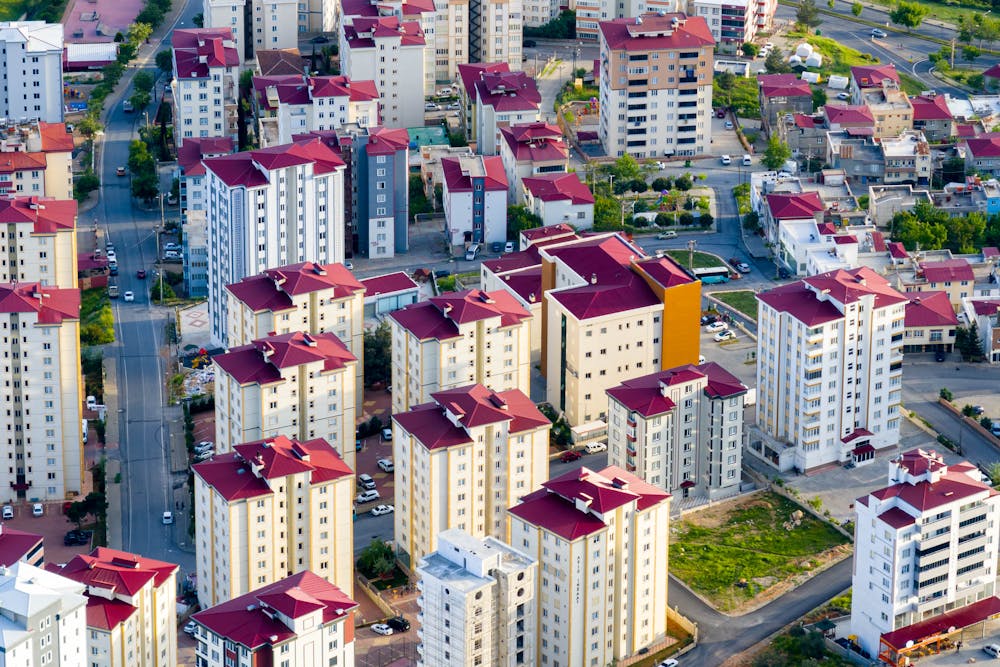
Property development plays a crucial role in shaping cities and communities. By transforming land into functional spaces, developers help create housing, workplaces, and commercial centers that support economic activity. This process contributes to urban expansion and improved infrastructure.
Development projects also generate employment opportunities across various industries. Construction workers, architects, engineers, and real estate professionals all benefit from the economic activity created by development projects. In many regions, property development is a major contributor to local economic growth.
Community and Infrastructure Benefits
Beyond financial returns, property development can improve the quality of life for residents. Well-designed developments provide better housing options, modern facilities, and improved public spaces.
Examples of community benefits include:
- Increased housing supply
- Improved transportation infrastructure
- New retail and business opportunities
- Revitalization of underdeveloped areas
These benefits demonstrate why property development remains an essential part of urban planning and economic development.
Long-Term Value Creation
Property development also contributes to long-term wealth creation. As cities grow and populations increase, well-located properties often appreciate in value over time.
Investors and developers who understand market trends and strategic planning can build substantial wealth through carefully executed development projects. This combination of financial opportunity and community impact makes property development an important sector within the global economy.
Conclusion: Understanding the Profit Potential of Property Development
Property development is a complex but rewarding industry that combines real estate investment, construction management, and market analysis. Developers identify opportunities where land or buildings can be improved to increase their value. Through strategic planning and careful execution, they transform underutilized spaces into profitable real estate assets.
Developers make money through several methods, including selling completed properties, generating rental income, or increasing land value through development approvals. While the potential rewards can be significant, success requires careful financial planning, risk management, and a strong understanding of real estate markets.
For investors and entrepreneurs interested in real estate, learning about property development can open the door to valuable opportunities. By understanding how the process works and how profits are generated, individuals can make more informed decisions when exploring opportunities in the property development industry.