Every homeowner eventually faces the same question: should you patch things up now or invest in materials that will actually last? Choosing durable products for your next renovation, whether indoors or out, can mean the difference between a project you redo in five years and one that holds up for decades. This guide walks through the most impactful upgrades around your home, breaking down what makes certain materials worth the investment. By the end, you will have a clearer sense of where to spend more upfront and how to protect that investment for the long haul.
- Upgrading Windows for Energy Efficiency and Longevity
- Protecting Your Home from the Ground Up
- Choosing Roofing Materials That Stand Up to the Elements
- Selecting Exterior Siding That Holds Up Over Time
- Preventing and Addressing Moisture Problems Indoors
- Enhancing Outdoor Spaces with Durable Lighting Solutions
- Building a Backyard Pool That Lasts for Decades
- Managing Trees and Landscaping for Long-Term Property Health
- Keeping Indoor Comfort Systems Reliable Year-Round
- Conclusion
Upgrading Windows for Energy Efficiency and Longevity
Old windows are one of the biggest silent energy drains in a home, letting conditioned air escape while allowing drafts and moisture to seep in around worn frames. Investing in replacement windows made from fiberglass, vinyl, or composite materials can dramatically cut energy bills while improving comfort year-round. These materials resist warping, swelling, and fading far better than older wood-only frames, especially in climates with big temperature swings.
When comparing options, pay attention to the glass package as much as the frame material, since double or triple-pane glass with low-emissivity coatings adds another layer of durability and performance. A quality installation matters just as much as the product itself, since poor sealing can undo even the best window’s benefits.
- Look for multi-chamber vinyl or fiberglass frames for added strength
- Choose Low-E glass coatings to reduce UV damage and heat transfer
- Check warranty terms for both the frame and the glass separately
- Ask about impact-resistant options if you live in a storm-prone area
Protecting Your Home from the Ground Up
A home is only as stable as its foundation, yet this critical structure often gets ignored until visible cracks or uneven floors appear. Soil movement, poor drainage, and age can all compromise foundation integrity over time, and catching issues early is far cheaper than waiting for major structural damage. A minor crack repair might cost a few hundred dollars, while a full foundation underpinning job can run into the tens of thousands, so early detection has real financial stakes.
Common warning signs include sticking doors or windows, hairline cracks in drywall, gaps around window frames, and floors that slope noticeably when you set down a marble or level. Cracks wider than a quarter-inch, or ones that run diagonally across a wall, tend to signal more serious movement than fine surface fissures. Exterior clues matter too—watch for stair-step cracks in brick veneer, separation where the chimney meets the house, or soil pulling away from the foundation wall after dry spells.
Proper drainage is one of the cheapest ways to protect what’s underground. Grading soil so it slopes away from the house, extending downspouts at least four to six feet from the foundation, and installing French drains in persistently damp yards can all reduce hydrostatic pressure against foundation walls.
If you spot any of these signs, it’s worth consulting a professional about foundation repair before the problem worsens. Options range from epoxy injections for minor cracks to helical piers or slab jacking for more significant settlement, and a qualified structural engineer can help determine which approach actually fits your home’s soil conditions and damage severity.
Durable foundation solutions today go beyond simple concrete patching, often involving steel piers, polyurethane injections, or drainage corrections designed to last the life of the home. Steel push piers, for example, can be driven down to load-bearing soil or bedrock, often 20 feet or more below the surface, providing stability that surface-level fixes simply can’t match. Polyurethane injections offer a faster, less invasive alternative for minor settling, expanding to fill voids and stabilize soil in a matter of hours rather than days.
The right choice depends largely on the underlying problem: expansive clay soils may call for helical piers, while chronic water intrusion often points to French drains, sump pumps, or regrading around the perimeter. A qualified engineer can identify whether cracking stems from soil movement, poor drainage, or original construction shortcuts, each of which requires a different long-term fix.
Choosing a contractor who diagnoses the root cause rather than just filling cracks will save you money and stress down the road. Ask prospective contractors for soil reports, warranty terms (look for transferable warranties lasting 25 years or more), and references from jobs completed at least five years prior, since foundation issues that resurface often take that long to become apparent.
- Monitor for cracks wider than a quarter inch, especially diagonal cracks near corners or stair-step patterns in brick and block foundations
- Watch for doors and windows that suddenly stick, refuse to latch, or develop gaps around their frames
- Keep gutters and grading directing water away from the foundation, aiming for a slope of at least 6 inches of drop over the first 10 feet
- Extend downspouts at least 4-6 feet from the foundation to prevent water from pooling near the base
- Get a professional inspection every few years, especially in clay-heavy soil areas prone to expansion and contraction with moisture changes
- Note seasonal patterns, since cracks or sticking issues that worsen in summer heat or winter freezes often signal soil movement rather than one-time settling
Choosing Roofing Materials That Stand Up to the Elements
Your roof takes the brunt of sun, wind, hail, and rain, so material choice has an outsized impact on how long it lasts. Asphalt shingles remain popular for affordability, but metal roofing supplies have grown in popularity because they resist fire, shed snow easily, and can last two to three times longer than traditional shingles. Steel, aluminum, and copper panels each offer different price points and aesthetic looks, so it is worth comparing samples before committing.
Regardless of material, proper installation and ongoing maintenance determine how well a roof performs over its expected lifespan. Working with experienced roofing services ensures flashing, underlayment, and ventilation are all installed correctly, which prevents leaks and extends the life of whatever material you choose.
- Metal roofing can last 40 to 70 years with minimal upkeep
- Asphalt shingles typically need replacement every 15 to 25 years
- Proper attic ventilation prevents premature roof aging
- Annual inspections catch small issues before they become costly repairs
Selecting Exterior Siding That Holds Up Over Time
Siding does more than shape your home’s curb appeal; it acts as a critical barrier against wind, rain, and temperature swings. Fiber cement, engineered wood, and vinyl siding each offer different durability profiles, with fiber cement standing out for its resistance to fire, rot, and pests. Because installation quality significantly affects long-term performance, many homeowners rely on experienced siding contractors to ensure seams, flashing, and moisture barriers are done correctly the first time.
Climate should heavily influence your material choice, since siding that performs well in dry regions may fail quickly in areas with heavy humidity or coastal salt exposure. Taking time to research warranties and manufacturer specifications can help you avoid costly replacements down the line.
- Fiber cement resists fire, rot, and insect damage
- Vinyl siding is low maintenance but can crack in extreme cold
- Engineered wood offers a natural look with better moisture resistance than traditional wood
- Proper flashing installation prevents water infiltration behind panels
Preventing and Addressing Moisture Problems Indoors
Water is one of the most destructive forces a home can face, quietly rotting wood, growing mold, and weakening structural elements long before visible signs appear. Basements, crawl spaces, and areas around plumbing fixtures are especially vulnerable, so proactive monitoring is essential. When leaks or flooding do occur, calling professional water damage services quickly can prevent a small issue from turning into a much larger, more expensive repair.
Beyond emergency response, durable long-term solutions like sump pumps, vapor barriers, and proper exterior grading help keep moisture from becoming a recurring issue. Homeowners who invest in prevention typically spend far less over time than those who only react after damage has already occurred.
- Install a sump pump with battery backup in flood-prone basements
- Use vapor barriers in crawl spaces to reduce humidity buildup
- Check caulking around windows and doors annually
- Address any musty odors quickly, as they often signal hidden moisture
Enhancing Outdoor Spaces with Durable Lighting Solutions
Outdoor lighting adds both safety and style to a property, but not all fixtures are built to withstand years of sun, rain, and temperature changes. LED landscape lighting has become the standard for durability, using far less energy than older halogen systems while lasting significantly longer. Solar-powered options have also improved, though hardwired systems generally offer more consistent brightness for pathways, stairs, and entryways.
Material matters just as much as the light source itself, since fixtures made from brass, copper, or powder-coated aluminum resist corrosion far better than cheaper plastic alternatives. Investing in weatherproof wiring and connectors also reduces the need for repairs after heavy storms.
- LED fixtures typically last 15,000 to 50,000 hours
- Brass and copper fixtures develop a protective patina over time
- Solar lights work well for low-traffic areas but may dim in winter
- Proper wire gauge prevents voltage drop across longer runs
Building a Backyard Pool That Lasts for Decades
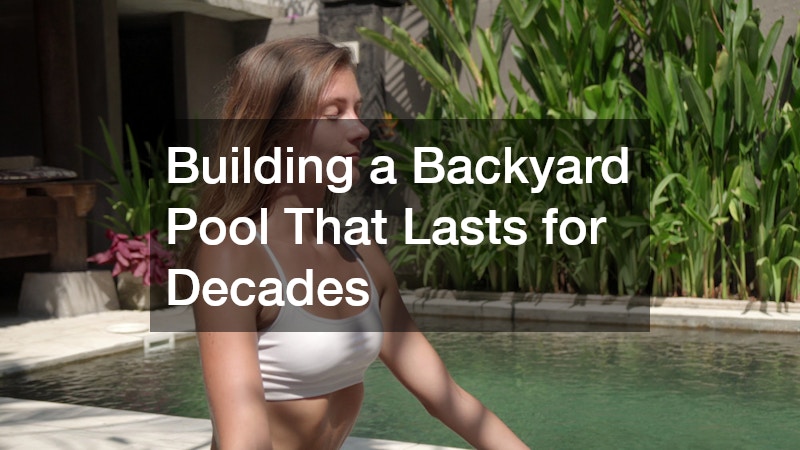
A backyard pool is a major investment, and material choice affects not just appearance but long-term maintenance costs and structural durability. Gunite and concrete pools tend to offer the longest lifespan, often lasting 30 to 50 years with proper care, though the surface finish (plaster, pebble, or tile) typically needs resurfacing every 10 to 15 years to prevent cracking and staining. Fiberglass shells, by contrast, require less maintenance and resist algae growth thanks to their smooth gel coat, but they come in limited shapes and sizes and can be costly to transport and install in tight or hard-to-access yards.
Vinyl liner pools sit at the more budget-friendly end, with liners usually needing replacement every 7 to 10 years, making them a reasonable choice for homeowners who want flexibility now and don’t mind ongoing upkeep later. Each material also responds differently to climate: concrete handles freeze-thaw cycles well when properly engineered, while fiberglass can flex slightly with ground movement, reducing crack risk in shifting soils.
Because soil conditions, drainage, water table depth, and local codes vary widely from lot to lot, working with an experienced local pool builder helps ensure the structure is designed to handle your specific property conditions. A knowledgeable builder can also advise on proper rebar placement, shell thickness, and backfill materials—details that often determine whether a pool lasts decades or develops costly structural issues within the first ten years.
Beyond the pool shell itself, durable decking materials like textured concrete, pavers, or natural stone resist cracking and slipping better than lower-cost alternatives. Poured concrete with a broom or knockdown finish typically lasts 20-25 years and stays cooler underfoot than smooth surfaces, while interlocking pavers offer the advantage of individual replacement if one section shifts or stains. Natural stone options like travertine or flagstone cost more upfront—often $15 to $30 per square foot installed—but rarely fade or degrade even after decades of sun and chlorine exposure.
Choosing quality filtration and heating equipment upfront also reduces the likelihood of costly repairs during peak swimming season. Variable-speed pumps, for instance, last longer than single-speed models and cut energy costs by up to 80%, while cartridge filters generally require less maintenance than sand filters over a 10-year span. Investing in a heater sized correctly for the pool’s volume, rather than the cheapest available unit, also prevents the added wear that comes from a system working harder than it should.
- Gunite pools can last 50 years or more, though the surface typically needs resurfacing every 10-15 years to prevent cracking and staining
- Fiberglass pools resist algae growth thanks to their smooth gel-coat finish, but prefabricated shells cap out around 16×40 feet
- Vinyl liner pools cost less upfront but require liner replacement every 7-15 years, making lifetime costs worth comparing against gunite
- Textured concrete decking improves slip resistance around wet areas and stays cooler underfoot than smooth stamped finishes
- Proper drainage prevents pool deck heaving in freeze-thaw climates by channeling water away from the shell and base
- Grading the surrounding yard at a slight slope, paired with a perimeter drain system, further reduces the risk of water pooling against the coping
- Choosing coping materials like travertine or natural stone adds another layer of freeze-thaw resistance compared to standard poured concrete
Managing Trees and Landscaping for Long-Term Property Health
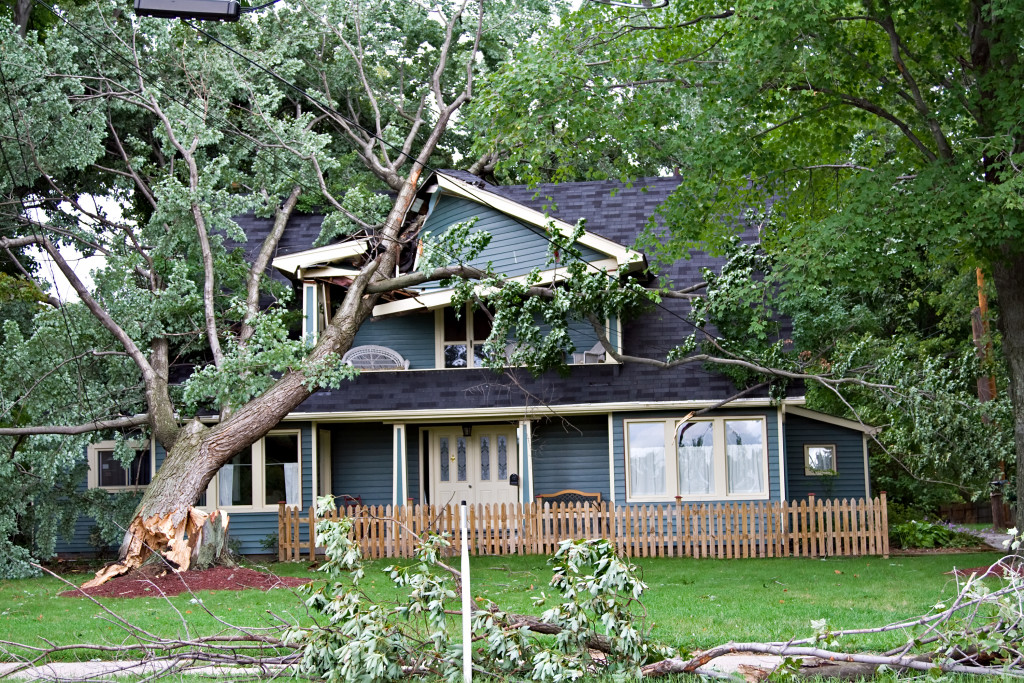
Mature trees add value and shade to a property, but they can also pose risks to foundations, roofs, and underground utilities if not properly maintained. Overgrown roots can crack driveways and interfere with plumbing lines, while dead or weak branches become serious hazards during storms. When a tree becomes diseased, structurally unsound, or simply too close to the home, hiring a reliable tree removal company is often the safest and most cost-effective solution.
Regular pruning, proper mulching, and periodic health assessments help healthy trees thrive while reducing the risk of unexpected damage. Being proactive about tree care protects not only your landscaping investment but also nearby structures and hardscaping.
- Watch for large dead branches or fungal growth at the base
- Keep large trees at least 20 feet from foundations when possible
- Schedule professional assessments after major storms
- Avoid planting fast-growing species too close to underground pipes
Keeping Indoor Comfort Systems Reliable Year-Round
Heating and cooling systems work harder than almost any other component in a home, so material quality and installation directly affect how long they last. Higher-efficiency units with durable coils, corrosion-resistant housings, and quality ductwork tend to outperform budget models over a ten- to fifteen-year lifespan. Partnering with a qualified HVAC contractor for regular maintenance can catch small issues, like refrigerant leaks or worn belts, before they turn into expensive breakdowns.
Routine filter changes, duct sealing, and seasonal tune-ups all extend the life of your system while keeping energy bills predictable. Homeowners who stay consistent with maintenance schedules often get several extra years of reliable performance out of their equipment.
- Replace air filters every one to three months
- Schedule professional tune-ups each spring and fall
- Seal duct leaks to improve efficiency and airflow
- Consider a programmable thermostat to reduce system strain
Conclusion
Durable materials cost more upfront, but they consistently pay for themselves through fewer repairs, lower energy bills, and stronger long-term property value. Whether you are replacing windows, addressing foundation concerns, or upgrading outdoor living spaces, taking the time to choose quality materials now prevents bigger headaches later. Start by identifying which area of your home needs attention most urgently, then research reputable professionals and products before committing to a project. A little research today can save you significant time, money, and stress for years to come.