Smart property owners understand that modifying a residence involves far more than simply selecting attractive finishes or following short-lived design trends. Every dollar allocated toward residential property enhancement carries the potential to either compound in value or evaporate over time. Navigating the complex world of home remodeling requires a clear understanding of market dynamics, regional buyer preferences, and the subtle balance between immediate visual appeal and long-term structural integrity. When property owners approach home updates strategically, they position themselves to enjoy elevated daily living while building substantial equity in their primary asset.
The real estate market continuously rewards properties that demonstrate comprehensive care and balanced upkeep. Buyers rarely evaluate a residence based solely on a single impressive room or an updated front facade. Instead, they form impressionistic assessments based on how well the home functions as a cohesive unit. A stunning indoor kitchen loses much of its financial appeal if hidden water damage threatens the foundation due to neglected exterior drainage systems. Similarly, pristine outdoor entertainment areas cannot fully compensate for outdated, dysfunctional interior living spaces with damaged or worn flooring throughout the main level.
Achieving a high return on investment requires a practical framework that addresses both the physical envelope of the building and its primary interior spaces. Strategic property improvement is not about spending the largest sum of money possible; it is about allocating resources where they generate measurable financial and functional returns. By prioritizing updates that protect structural health while improving daily usability, property owners create homes that stand out in competitive housing markets. Understanding where to begin, how to sequence trades, and which specific features drive true resale value forms the foundation of any successful whole-home transformation strategy.
- Protecting the Core: Essential Exterior Moisture Management
- Maximizing First Impressions: Curb Appeal and Architectural Entryways
- Expanding Outdoor Usability and Structural Hardscape Design
- Elevating the Culinary Hub: Strategic Kitchen Upgrades
- Transforming Interior Surfaces: Flooring and Wall Refinishing
- Coordinating Construction Sequences to Prevent Costly Rework
- Long-Term Maintenance and Sustainable Equity Preservation
- Restoring Structural Details and Wall Treatments
- Strategic Realization of Whole-Home Equity
Protecting the Core: Essential Exterior Moisture Management
Before allocating funds toward decorative interior finishes, prudent real estate owners look to the roofline and foundation. Water represents the single greatest threat to residential structural longevity. Uncontrolled rainwater runoff can erode topsoil, weaken foundation footings, rot wooden wall framing, and create basement moisture issues that cost tens of thousands of dollars to rectify. Safeguarding the building envelope against heavy precipitation is the ultimate form of preventive maintenance, preserving property equity before cosmetic enhancements even begin.
High-capacity roofline water management systems play a pivotal role in maintaining structural health throughout changing seasons. Investing in seamless gutter installations provides a reliable barrier against water intrusion along fascia boards and foundation perimeter soils. Unlike sectional alternatives that develop leaks at joints over time, continuous metal channels direct heavy rain away from the building effectively. Appraisers and home inspectors pay close attention to drainage infrastructure because proper runoff control prevents subterranean moisture buildup, soil displacement, and severe foundation settlement cracks.
Complementing roofline water control, addressing upper-level masonry vulnerability is equally vital for shielding upper living spaces. Arranging a timely chimney repair prevents subtle water leaks from seeping behind exterior brickwork, damaging attic insulation, and ruining interior ceiling plaster. Cracking mortar joints and deteriorated flashing allow driven rain to infiltrate structural walls silently. Securing masonry tops and sealing exterior brickwork early ensures the entire structural shell remains completely dry, establishing a safe foundation for subsequent interior improvements.
Maximizing First Impressions: Curb Appeal and Architectural Entryways

First impressions dictate real estate valuations more than many homeowners realize. Prospective buyers, neighbors, and professional appraisers form lasting judgments within seconds of arriving at a property perimeter. A welcoming exterior sets a positive emotional tone, suggesting that the entire residence has been maintained with diligence, pride, and care. Strategic exterior upgrades consistently rank among the highest ROI projects because they directly influence curb appeal, buyer interest, and perceived market value before anyone steps inside.
Thoughtful property grounds design transforms standard yards into vibrant, welcoming outdoor environments. Professional landscaping elevates ordinary front lawns by adding depth, color texture, and structural balance through native plantings, defined garden beds, and healthy turf grass. Beyond simple visual charm, well-planned green spaces assist with natural erosion control, shade management, and rainwater absorption. A well-manicured front yard establishes an immediate connection between the residence and its surrounding environment, signaling a high standard of homeownership to everyone who approaches.
The primary focal point of any front elevation remains the main entry area. Replacing standard, mass-manufactured front doors with custom doors immediately upgrades a home’s architectural character and visual stature. Beyond superior aesthetic impact, modern crafted entry systems offer enhanced multi-point security features, heavy-duty core materials, and advanced weather-sealing technologies that lower annual heating and cooling expenses. A distinctive, high-quality front door serves as an anchor for the front elevation, capturing immediate interest while delivering measurable energy performance benefits for years to come.
Expanding Outdoor Usability and Structural Hardscape Design
Modern buyers view outdoor space as an essential extension of primary indoor living areas. Transforming raw backyards into functional outdoor living zones adds usable living space to a property without the massive financial expense of traditional room additions. Creating defined zones for relaxation, outdoor dining, and evening gatherings allows homeowners to enjoy their property fully while attracting buyers who value outdoor entertaining capabilities.
Integrating durable stone walkways, patio dining spaces, and retaining walls creates structured outdoor living environments that buyers adore. Well-designed hardscapes turn underutilized grassy yards into low-maintenance entertainment hubs suitable for dining, gathering, and relaxing. Utilizing high-grade concrete pavers or natural stone ensures these surfaces withstand freezing winter temperatures, heavy foot traffic, and intense summer sun exposure. Properly installed stone features also aid in controlling soil retention, preventing erosion, and managing steep slopes across property grounds.
To ensure outdoor living areas remain visually cohesive with the main structure, exterior surfaces must be regularly maintained and protected from weathering. Engaging local painters to coat exterior trim, wooden structures, and porch elements creates a clean, unified visual link between the house and the surrounding garden features. Professional exterior painting shields wooden surfaces against sun degradation and moisture damage while tying together all exterior design elements into a single, polished presentation.
Elevating the Culinary Hub: Strategic Kitchen Upgrades
Real estate professionals consistently agree that kitchen spaces deliver some of the highest financial returns of any indoor upgrade. As the primary gathering point for daily family life and social entertaining, a functional, beautifully designed kitchen serves as a major focal point during property valuations. However, achieving maximum return on investment does not require tearing down every wall or purchasing overpriced novelty items. Focus instead on structural storage, durable surface materials, and efficient layout workflows.
Storage solutions form the physical backbone of any successful kitchen environment. Updating or reconfiguring every kitchen cabinet frame optimizes vertical wall space, improves pantry organization, and eliminates daily counter clutter. Whether opting for complete cabinet box replacement or strategic door refinishing with modern hardware, high-quality cabinetry offers smooth drawer slides, soft-close hinges, and durable finishes that withstand constant daily use. Clean, organized storage transforms chaotic culinary routines into enjoyable daily experiences while appealing strongly to prospective buyers.
Pairing quality storage units with resilient prep surfaces elevates both daily utility and overall kitchen value. Installing natural granite countertops introduces exceptional heat resistance, scratch durability, and unique stone patterns that synthetic materials struggle to match. Natural stone surfaces handle heavy cooking prep work with ease while providing a timeless focal point around islands and perimeter workspaces. When properly sealed, stone tops maintain their rich texture and pristine finish for decades, making them a favored feature for buyers seeking long-term durability and luxury.
Transforming Interior Surfaces: Flooring and Wall Refinishing
Once the kitchen framework is established, attention naturally turns to the broader interior surfaces that tie individual rooms together. Floors and walls cover the largest surface area inside any residence, heavily influencing light distribution, acoustic comfort, and overall visual warmth. Replacing worn interior surfaces with modern materials rejuvenates aging rooms, making older houses feel contemporary, clean, and well-maintained.
Surface walkability and visual continuity play a massive role in how spacious a home feels to visitors and appraisers. Replacing mismatched carpets and worn linoleum with unified hardwood or luxury plank flooring creates smooth transitions between living rooms, hallways, and dining spaces. Durable floor surfaces withstand daily pet activity, foot traffic, and occasional spills while offering easy maintenance routines. A continuous floor surface visually expands room dimensions, giving the entire residence an open, harmonious feel that enhances buyer appeal.
Planning a whole-house refresh requires a holistic view of interior finishes. Executing a comprehensive interior remodeling project allows homeowners to combine floor upgrades with fresh wall coatings smoothly. Coordinating these surface improvements simultaneously minimizes household disruption and guarantees that color schemes, trim moldings, and floor tones harmonize across every room in the house.
Coordinating Construction Sequences to Prevent Costly Rework
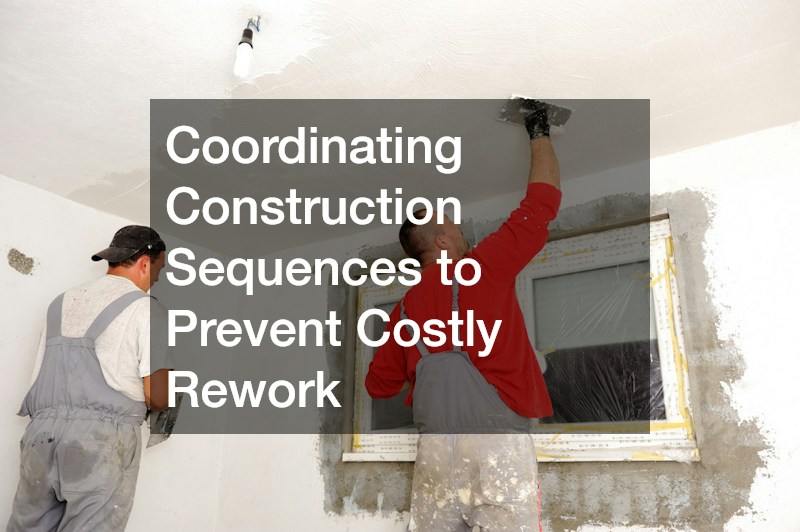
A common mistake among property owners is executing home updates in an illogical order. Performing high-end interior cosmetic work before securing the roof or completing heavy dust-generating tasks often leads to damaged finishes and wasted financial resources. Establishing a clear, chronological sequence of trades protects fresh investments and keeps construction schedules running smoothly from start to finish.
A sound residential renovation strategy always addresses structural integrity, electrical wiring, plumbing lines, and exterior weatherproofing before fine interior details are scheduled. For instance, subfloor levelling and wall framing must be completed and fully stabilized before stone fabricators arrive to measure for heavy counter slabs. Placing heavy granite countertops on uneven cabinet bases or unreinforced subfloors can lead to stress cracks and expensive material replacements later on.
Sequencing trades correctly also prevents contractor overlap and messy site chaos. High-impact structural work and heavy installations should clear out before delicate entry features or custom doors are installed and adjusted. Protecting finished surfaces during ongoing work preserves material warranties and reduces clean-up costs. By managing trade schedules with clear dependency timelines, property owners save time, avoid redundant labor expenses, and achieve superior craftsmanship across every phase of the project.
Long-Term Maintenance and Sustainable Equity Preservation
Completing a major property upgrade is a significant milestone, but preserving that newly created equity requires ongoing attention. Real estate value is not static; it requires routine care to prevent gradual wear from eroding property valuation over time. Homeowners who establish simple seasonal maintenance routines protect their investment dollars and ensure that installed components perform flawlessly for decades.
Interior components benefit immensely from basic preventive care and regular cleaning routines. Protecting every wood kitchen cabinet surface from excessive steam, moisture buildup, and kitchen grease preserves clear protective coatings and prevents wood swelling around sinks and dishwashers. Simple habits like adjusting drawer slides, tightening loose hinges, and cleaning cabinet faces with gentle solutions keep kitchen storage looking fresh and functioning smoothly year after year.
Exterior investments demand similar routine oversight to withstand changing seasonal weather elements. Maintaining established landscaping involves seasonal pruning, clearing organic debris away from foundations, and managing irrigation cycles to prevent overwatering near exterior walls. Keeping mulch beds away from wood siding prevents wood-destroying insects from accessing the building envelope. Simple, consistent exterior maintenance preserves curb appeal, protects outdoor installations, and ensures the home continues to project value to neighbors and future buyers alike.
Restoring Structural Details and Wall Treatments
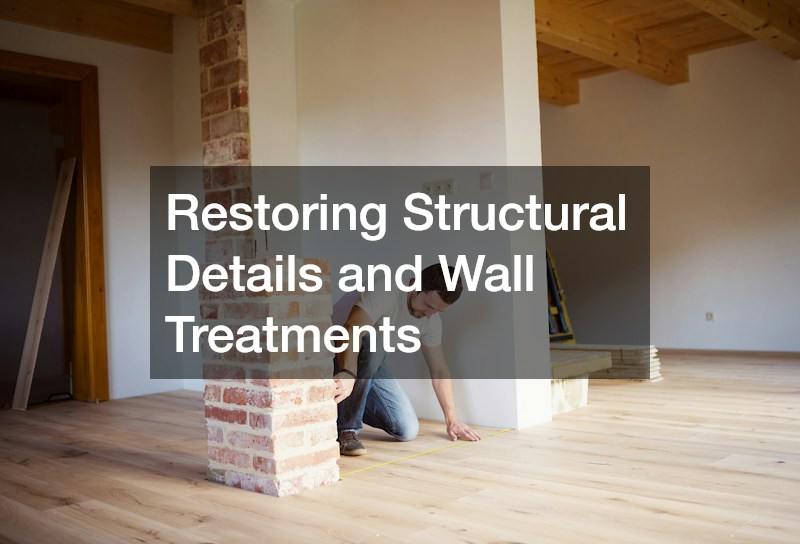
Preserving a home’s structural elements and interior surfaces requires regular inspection and expert care. Structural features that face constant atmospheric exposure inevitably show signs of wear over time. Addressing these issues promptly prevents minor cosmetic flaws from escalating into major structural defects that diminish appraisal values.
Over time, masonry elements on upper rooflines suffer from freeze-thaw cycles and severe weather exposure. Arranging professional chimney repair restores compromised mortar joints, repairs damaged clay liners, and seals brick surfaces against driving rain. Restoring masonry integrity ensures safe fireplace operation and prevents hidden water infiltration from damaging interior wall framing, attic space, and ceiling insulation.
Inside the residence, maintaining fresh wall surfaces is equally important for preserving home value. Working with experienced local painters ensures that interior walls, trim moldings, and ceiling surfaces receive proper drywall repair, primer application, and high-quality paint coatings. Fresh, neutral paint brightens living spaces, masks minor surface blemishes, and provides a clean backdrop that highlights architectural details throughout the entire residence.
Strategic Realization of Whole-Home Equity
Achieving maximum return on investment from property improvements is entirely achievable when approached with a clear, strategic vision. By balancing protective exterior upgrades with high-impact interior renovations, property owners safeguard their building envelope while enhancing daily living comfort. Every project, from drainage management to luxury interior finishes, contributes to a cohesive residence that commands top dollar in any market.
When planning home improvements, property owners should focus on quality materials, proper contractor trade sequencing, and consistent long-term maintenance. Investing in durable features such as new flooring and well-built hardscapes ensures that your outdoor and indoor spaces age gracefully together. Protecting these features with seamless gutter installations prevents foundation settlement and water damage, keeping the entire property structurally secure.
With a thoughtful blueprint in place, any house can be transformed into a beautiful, high-performing asset that delivers exceptional comfort today and outstanding financial returns tomorrow. Strategic planning transforms necessary home maintenance into an empowering investment journey, allowing homeowners to build equity with total confidence.