
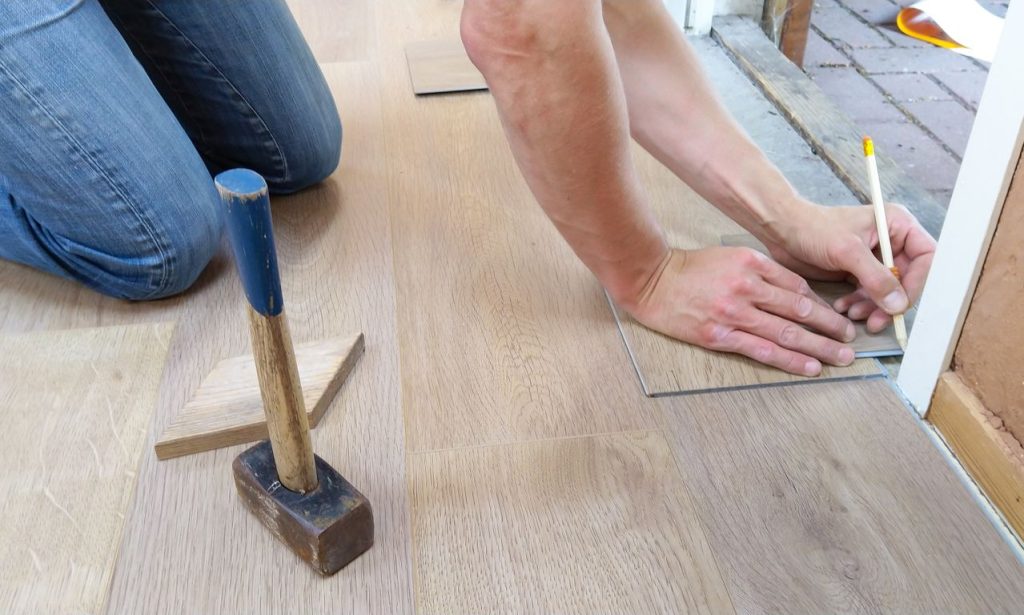
Updating floors is one of those projects that can either transform a room overnight or drain a savings account faster than expected. If you’ve walked into a flooring showroom lately, you already know the sticker shock is real. Hardwood planks, premium stone, and designer carpet can push a modest refresh into four or five figures before labor even enters the conversation.
The good news is that you don’t have to settle for scratched laminate from 1998 or peel-and-stick squares that curl at the edges. Three affordable categories — laminate, vinyl, and ceramic tile — have improved dramatically in the last decade. They look better, last longer, and come in styles that convincingly mimic oak, marble, and travertine at a fraction of the price.
Still, choosing between them isn’t as simple as picking the cheapest box at the warehouse store. Each material has quirks around installation, moisture, comfort underfoot, and resale value. Below is a practical side-by-side look at what you’re actually getting when you pick one over the other.
- Why Flooring Choice Matters More Than You Think
- Laminate: The Classic Budget Workhorse
- Vinyl: The Flexible All-Rounder
- Tile: The Long-Haul Investment
- How to Match the Floor to the Room
- Hidden Costs That Wreck Budget Flooring Projects
- Smart Shopping Tactics That Actually Save Money
- Making the Final Call on Your Home Improvement Project
- Conclusion
Why Flooring Choice Matters More Than You Think
Floors cover more square footage than any other surface in your home, which means they drive the whole visual tone of a room. A gorgeous paint color can’t rescue a space with warped, mismatched floors. Swap in something clean and cohesive, though, and even a dated kitchen suddenly feels intentional.
There’s also the practical side. Floors take abuse. Pets, kids, dropped skillets, muddy boots, the occasional dishwasher leak — whatever you install has to shrug off daily life for years. Picking the wrong material for a moisture-prone or high-traffic room is how people end up redoing the same floor twice in five years, which defeats the entire point of saving money upfront.
Finally, think about the long game. Buyers notice floors the second they walk in. A thoughtful, durable surface can nudge your resale price up, while a cheap-looking one can quietly cost you offers. That’s why flooring deserves more research than a lot of homeowners give it.
Laminate: The Classic Budget Workhorse
Laminate has been the go-to affordable option for decades, and modern versions are far better than the plasticky planks of the early 2000s. The core is high-density fiberboard topped with a photographic layer and a clear wear coat, giving it that convincing wood-grain look without the wood-grain price.
According to This Old House, laminate materials run roughly one to four dollars per square foot, which keeps it near the bottom of the price range for finished flooring. Pair that with a floating click-lock install that most confident DIYers can handle in a weekend, and you’ve got one of the cheapest ways to overhaul a room.
Durability has improved too. According to Floor Planner, laminate typically holds up for 15 to 25 years in a normal household, assuming you’re not flooding it regularly.
Where Laminate Falls Short
Water is laminate’s weak spot. Even “water-resistant” versions don’t love standing moisture, so bathrooms and laundry rooms are risky. It also can’t be refinished — once the top wear layer is gone, the plank is done. And underfoot, it has a slightly hollow sound that some people find cheap.
Best rooms for laminate:
- Bedrooms and guest rooms
- Living rooms with low-to-moderate traffic
- Home offices
- Hallways away from exterior doors
- Dining rooms without direct kitchen spills
Vinyl: The Flexible All-Rounder
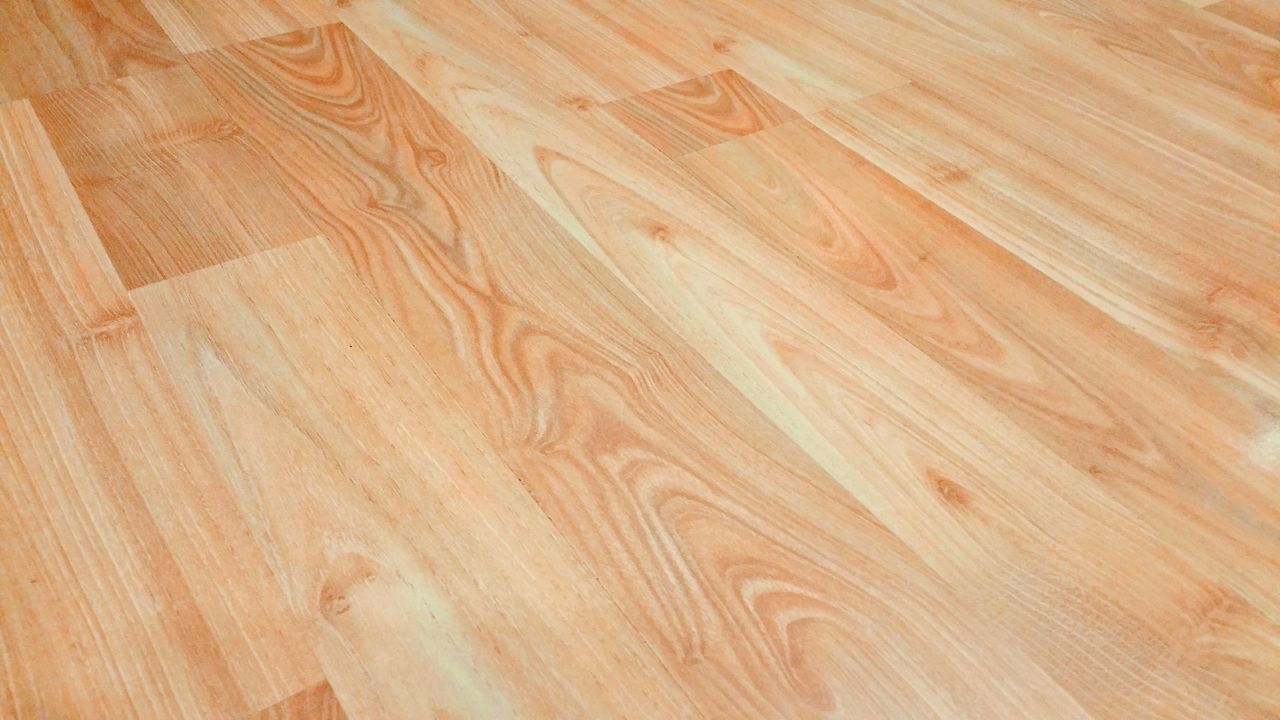
Luxury vinyl plank, often shortened to LVP, has quietly become the most popular budget flooring in North America, and for good reason. It’s waterproof, softer underfoot than tile or laminate, and realistic enough that guests often can’t tell it apart from real hardwood. Sheet vinyl still exists for ultra-tight budgets, but plank and tile formats dominate today.
Installed cost sits in a reasonable middle range. According to Consumer Affairs, vinyl flooring installation usually runs between four and fourteen dollars per square foot when you factor in both materials and labor. The wide range reflects the gap between thin builder-grade vinyl and thicker, rigid-core products with attached underlayment.
Longevity holds up well against laminate too. According to Floors Center, premium vinyl plank can last 15 to 25 years in homes, which is impressive for a product that shrugs off water, pets, and dropped wine glasses.
Why DIYers Keep Picking Vinyl
Most modern LVP uses the same floating click system as laminate, so no glue, no nails, and no specialty tools beyond a utility knife and tapping block. Rigid-core versions in particular are forgiving over slightly uneven subfloors, which saves prep time and money. Vinyl is a strong candidate when you’re hunting for home renovation ideas on a budget because it works in nearly every room in the house, including the ones laminate can’t touch.
A few places vinyl really shines:
- Kitchens with frequent spills
- Full and half bathrooms
- Mudrooms and entryways
- Basements with occasional dampness
- Rental units where durability matters more than luxury
Tile: The Long-Haul Investment
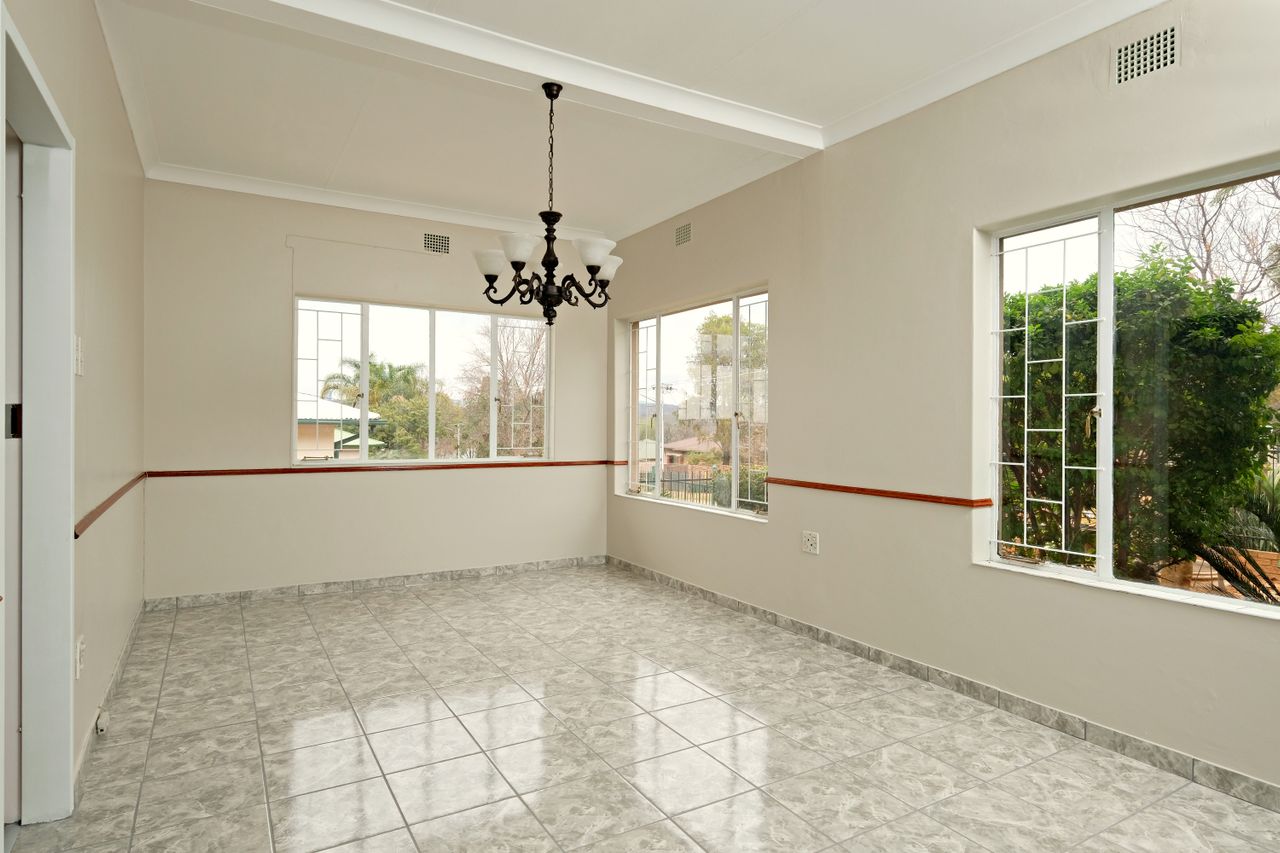
Ceramic and porcelain tile are the oldest options on this list and still the most durable. A properly installed tile floor can easily outlast everything else in your house. It’s completely waterproof, scratch-resistant, and immune to the sun fading that plagues some vinyl and laminate.
The catch is total cost. Tile itself can be cheap — basic ceramic often starts under two dollars per square foot — but labor is where budgets blow up. You need a flat subfloor, cement backer board, thinset, grout, spacers, a wet saw, and patience. Hiring a pro usually runs ten dollars or more per square foot installed, which pushes tile above laminate and vinyl in most scenarios.
That said, if you’re planning to stay in the home for 20-plus years, the math shifts. One tile install can outlive two or three cycles of cheaper flooring, so the lifetime cost per year is often lower than it looks on day one.
Tile trade-offs worth weighing:
- Cold and hard underfoot without radiant heat
- Grout lines need resealing every few years
- Dropped dishes rarely survive
- Repairs mean matching discontinued patterns
- Noisier than softer floors
How to Match the Floor to the Room
The smartest budget shoppers don’t pick one flooring and install it everywhere. They zone the house by use and moisture, then match the material to the demands of each space. A single-product install is simpler, but it almost always means overpaying in low-traffic rooms or underperforming in wet ones.
Start by mapping your home into three categories: dry and calm, high-traffic, and wet or spill-prone. Bedrooms and offices fall in the first group, where laminate’s lower price shines. Living rooms, hallways, and dining areas belong in the second, where either laminate or mid-grade vinyl earns its keep. Kitchens, baths, mudrooms, and basements sit in the third, and those really want vinyl or tile.
Budget also bends with square footage. A 120-square-foot bathroom in tile is doable for most people. The same tile across 1,800 square feet of main living space is a different financial animal. Mixing materials with a clean transition strip at doorways is a common trick seasoned remodelers use to stretch a renovation fund without sacrificing the rooms that matter most.
A Simple Decision Framework
When you’re standing in the aisle trying to decide, run through these questions:
- Will this room ever see standing water or heavy humidity?
- How many years do I realistically plan to live here?
- Am I installing this myself or hiring out?
- Does the subfloor need leveling, or is it already flat?
- How important is quiet, warm underfoot feel in this space?
If water is a yes, cross off laminate. If you’re staying two decades or more, tile moves up the list. If you’re DIYing over a slightly uneven slab, rigid-core vinyl becomes the obvious pick. These quick filters prevent the most common mismatch mistakes.
Hidden Costs That Wreck Budget Flooring Projects
The price per square foot on the box is almost never what you’ll actually pay. Underlayment, transition strips, quarter-round or shoe molding, delivery fees, and old-floor disposal all add up quickly. On a 500-square-foot room, those extras can tack on several hundred dollars before a single plank gets laid.
Subfloor condition is the biggest wild card. If plywood is soft, if concrete is cracked, or if the surface is out of level by more than an eighth of an inch over six feet, you’re looking at prep work before any flooring goes down. Self-leveling compound, patch kits, and new underlayment panels aren’t glamorous, but skipping them leads to squeaks, gaps, and cracked tiles within a year.
Tools matter too if you’re going DIY. A tapping block, pull bar, and spacers for vinyl or laminate are cheap. A decent wet saw for tile is not, though many home centers rent them by the day. Factor the rental into your estimate rather than discovering it mid-project. Pairing a smart flooring choice with other low-cost upgrades that prevent costly repairs keeps the whole house moving forward without one project eating your entire fund.
Smart Shopping Tactics That Actually Save Money
Where and when you buy makes a surprising difference. End-of-season clearances at big-box stores, overstock sales at flooring liquidators, and builder closeout pallets often shave 30 to 50 percent off retail. The catch is quantity — you need enough from a single lot to finish the room plus about 10 percent waste, so measure carefully before pouncing on a deal.
Watch for these money-saving moves:
- Buy slightly more than you need from one dye lot to avoid shade mismatches
- Ask stores about damaged-box discounts; a scuffed carton usually has perfect planks inside
- Compare installed quotes from three contractors, not just material prices
- Reuse existing trim and baseboards when possible instead of replacing them
- Schedule installs in off-peak months like January or late summer for better labor rates
Negotiation also works more often than people expect. Flooring retailers frequently waive delivery, throw in underlayment, or discount transitions if you ask directly. It never hurts to treat the quote as a starting point.
Making the Final Call on Your Home Improvement Project
By the time you’ve walked through traffic patterns, moisture risk, subfloor condition, and installed cost, the right answer usually narrows itself down. Laminate wins on dry-room affordability. Vinyl wins on versatility and wet-area performance at a mid-range price. Tile wins on longevity and resale appeal in specific zones. Very few homes are best served by just one of the three.
A hybrid plan is often the sweet spot. Vinyl plank through the main floor, tile in the bathrooms, and laminate in the bedrooms gives you the right surface in each space while keeping the overall spend reasonable. That kind of zoned approach is how experienced remodelers get showroom results on modest budgets, and it’s a core principle of smart home improvement planning that also pays off when you eventually sell.
Don’t overlook samples either. Order or pick up three or four finalists and live with them in the actual room for a week. Lighting changes everything — a plank that looked rich and warm under showroom LEDs can read orange or gray in your own space. A cheap sample pack beats an expensive mistake every time.
Conclusion
Flooring on a tight budget isn’t about finding the single cheapest product and blanketing the house with it. It’s about matching the right material to the right room, budgeting honestly for the extras, and buying smart when the deals appear. Laminate, vinyl, and tile each earn a place in that strategy, and together they can cover an entire home beautifully for a fraction of what premium hardwood or stone would cost.
The homeowners who come out ahead treat flooring as a long-term decision rather than a quick fix. They prep subfloors properly, buy a little extra from the same lot, and spend their money where it actually shows — the kitchen that gets daily use, the entryway guests see first, the bathroom that needs to handle water without complaint. Everywhere else, they trust the budget-friendly options to do the quiet, dependable work.
Walk into your next flooring decision with a floor plan, a realistic number, and a clear sense of which rooms demand which material. Do that, and you’ll end up with surfaces that look great, hold up to real life, and leave enough in the renovation fund for the next project on your list.