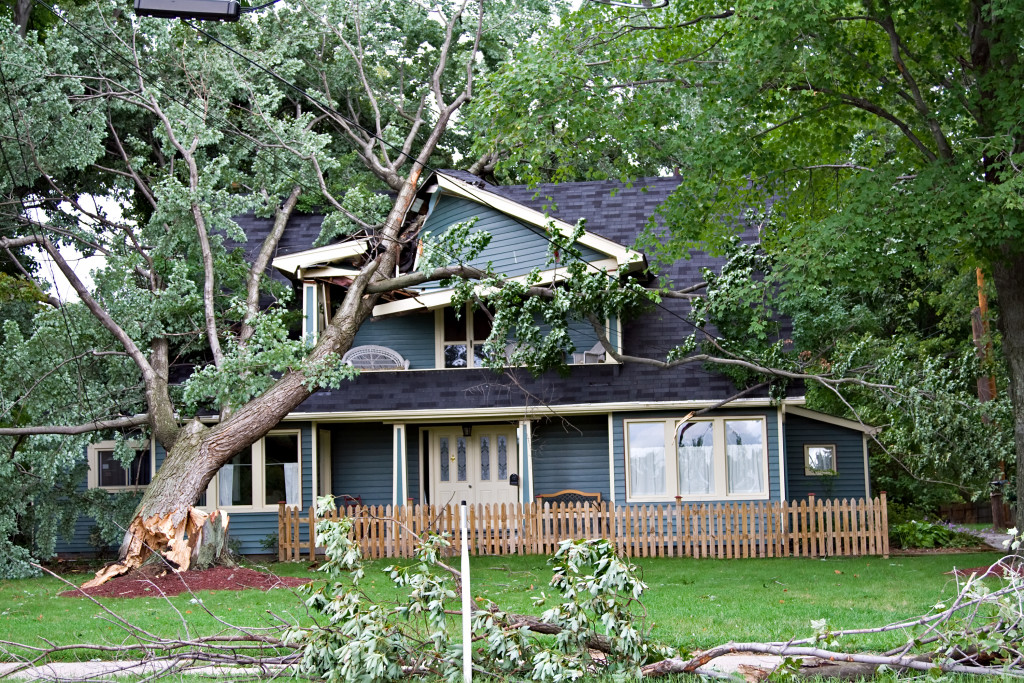
A major roofing project is one of the most significant investments a homeowner can make. Whether the goal is improving structural protection, addressing storm damage, increasing energy efficiency, or upgrading curb appeal, roofing work affects nearly every part of a home. Because of the cost and complexity involved, preparation is critical before construction begins.
Many homeowners underestimate the amount of planning required for a successful project. Roofing work can involve budgeting decisions, contractor research, insurance coordination, scheduling concerns, and temporary household disruptions. Without proper preparation, unexpected costs and delays can quickly turn an already stressful project into an overwhelming experience.
Understanding how to prepare ahead of time allows homeowners to make informed decisions, protect their property, and reduce unnecessary complications during construction. The following guide explains the most important steps homeowners should take before beginning a large-scale roofing project.
- Evaluate the Current Roof Condition Carefully
- Establish a Realistic Project Budget
- Research Contractors Thoroughly Before Hiring
- Understand Whether Repairs or Full Replacement Make Sense
- Prepare the Home and Property Before Construction Starts
- Coordinate Insurance Matters Before Work Begins
- Plan for Temporary Household Disruptions
- Focus on Long-Term Roof Protection After Completion
- Avoid Common Mistakes During Major Projects
- Make Smart Material Choices for Long-Term Value
- Conclusion
Evaluate the Current Roof Condition Carefully
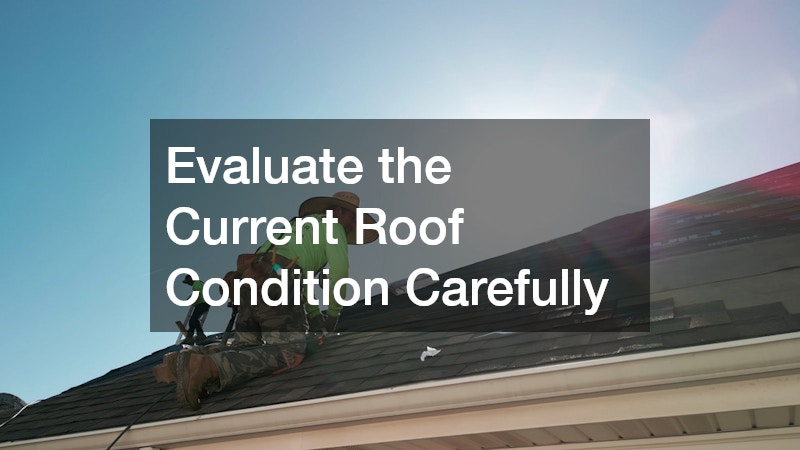
Before scheduling any major work, homeowners should fully understand the current condition of the roof. A detailed evaluation helps determine whether problems are cosmetic, structural, or related to long-term wear and aging.
Some warning signs are obvious, while others develop gradually over time.
Common indicators of roof deterioration include:
- Missing or curling shingles
- Water stains on ceilings or walls
- Sagging rooflines
- Moss or algae growth
- Granules are collecting in gutters
- Mold or mildew in attic spaces
- Persistent leaks during storms
Small issues can become serious structural concerns if ignored for too long. Water intrusion may damage insulation, drywall, framing, and electrical systems inside the home.
Scheduling professional roofing services early in the planning process allows homeowners to receive a more accurate assessment of the roof’s condition. Professional inspections often identify hidden problems that may not be visible from the ground.
In some cases, contractors may recommend localized roof repairs if the damage is limited and the roof still has a significant remaining lifespan. However, repeated repairs on an aging roof may eventually become less cost-effective than larger improvements.
Homeowners should request detailed inspection reports that include:
- Photographs of damaged areas
- Estimated remaining roof lifespan
- Ventilation concerns
- Structural observations
- Material recommendations
- Moisture intrusion findings
Thorough evaluations create a stronger foundation for planning the rest of the project.
Establish a Realistic Project Budget
Roofing costs often involve much more than shingles and labor alone. Many homeowners focus only on the visible installation work and overlook additional expenses that can arise during construction.
A realistic budget should account for:
- Material costs
- Labor expenses
- Permit fees
- Waste disposal
- Structural repairs
- Flashing replacement
- Ventilation upgrades
- Gutter modifications
- Cleanup services
Unexpected issues are common once old roofing materials are removed. Contractors may discover rotted decking, water damage, or weakened structural components that require immediate attention before installation can continue.
Setting aside contingency funds can help reduce financial stress if additional work becomes necessary. Many homeowners reserve 10% to 20% of the project budget for unexpected expenses.
Energy efficiency improvements may also be worth considering during major roofing projects. Upgrading attic ventilation and insulation can improve indoor comfort while reducing heating and cooling costs over time.
Some homeowners coordinate roofing work with home insulation services to maximize overall energy performance. Improving insulation while roofing materials are already being replaced may reduce future labor costs and minimize disruption later.
Helpful budgeting strategies include:
- Gathering multiple estimates
- Comparing financing options
- Reviewing payment schedules carefully
- Prioritizing long-term durability over short-term savings
- Understanding warranty coverage details
Careful financial preparation helps homeowners avoid rushed decisions during construction.
Research Contractors Thoroughly Before Hiring
Choosing the right contractor is one of the most important decisions homeowners make during roofing projects. Workmanship quality directly affects the roof’s lifespan, weather resistance, and long-term performance.
Homeowners should avoid selecting contractors based solely on price. Extremely low bids sometimes indicate shortcuts, poor materials, or inexperienced labor.
Before signing agreements, homeowners should verify:
- State licensing
- Insurance coverage
- Certifications
- Local business history
- Manufacturer affiliations
- References from past clients
An experienced roofing contractor should provide clear communication, written estimates, realistic timelines, and detailed explanations of proposed work.
Questions homeowners should ask during consultations include:
- How long has the company operated locally?
- Will subcontractors be used?
- What warranties are included?
- How will weather delays be handled?
- Who supervises the project daily?
- What cleanup procedures are followed?
Online reviews and referrals can also provide insight into professionalism and customer satisfaction. A reputable roofing company should willingly provide examples of completed projects and references from recent clients.
Homeowners should carefully review contracts before signing. Written agreements should clearly outline:
- Materials being installed
- Estimated project timeline
- Payment schedule
- Cleanup responsibilities
- Warranty details
- Change-order procedures
Clear documentation reduces confusion and protects both parties during construction.
Understand Whether Repairs or Full Replacement Make Sense
Not every roofing issue requires complete replacement. However, some homeowners spend years paying for repeated repairs that ultimately cost more than a full upgrade would have.
Understanding when replacement becomes more practical can help homeowners make smarter long-term decisions.
Factors that may justify larger upgrades include:
- Roof age exceeding expected lifespan
- Widespread storm damage
- Multiple recurring leaks
- Significant structural deterioration
- Poor ventilation systems
- Extensive shingle failure
A full roof replacement may provide better long-term value when major portions of the roofing system are already compromised.
On the other hand, isolated problems affecting smaller sections of the roof may still be addressed effectively through targeted repairs.
Homeowners should discuss all available options carefully before deciding on a final scope of work.
Important considerations include:
- Current roof age
- Overall structural condition
- Climate conditions
- Future resale plans
- Budget limitations
- Energy efficiency goals
Some materials also offer longer durability and lower maintenance requirements than others. Metal roofing, architectural shingles, tile systems, and synthetic materials each have different advantages depending on the property and local climate.
Choosing the right solution involves balancing upfront costs with long-term performance expectations.
Prepare the Home and Property Before Construction Starts

Roofing projects create noise, vibration, debris, and temporary disruptions throughout the property. Preparing the home in advance helps minimize stress and reduces the risk of accidental damage.
Inside the home, vibrations from roofing work can affect upper floors, ceilings, and wall-mounted items.
Homeowners should consider:
- Removing fragile wall decorations
- Protecting valuables in attic spaces
- Covering stored belongings
- Securing loose shelving
- Relocating sensitive electronics if necessary
Outside the home, creating clear work areas improves safety and efficiency for construction crews.
Helpful preparation steps include:
- Moving vehicles away from the driveway
- Relocating patio furniture
- Protecting landscaping
- Securing outdoor decorations
- Clearing access points around the property
Families with children or pets should plan carefully during construction days. Loud noise, falling debris, and unfamiliar workers may create stressful conditions inside and outside the home.
Some homeowners choose to adjust schedules temporarily or arrange alternate accommodations during the noisiest stages of the project.
Communicating with neighbors beforehand can also reduce frustration and misunderstandings. Informing nearby households about expected noise levels, parking limitations, and project timelines demonstrates courtesy and helps maintain positive relationships.
Coordinate Insurance Matters Before Work Begins
Roofing projects related to storm damage or sudden structural issues often involve insurance claims. Understanding policy details before construction begins can prevent major complications later.
Homeowners should contact their home insurance company early in the process to determine:
- Whether damage qualifies for coverage
- Applicable deductibles
- Required inspection procedures
- Claim deadlines
- Documentation requirements
Keeping organized records is extremely important during insurance-related projects.
Helpful documents may include:
- Inspection reports
- Contractor estimates
- Photographs of damage
- Receipts for temporary repairs
- Communication records
- Permit information
Some policies cover certain types of storm damage but exclude wear-related deterioration or neglected maintenance issues.
Speaking directly with an insurance agent can help homeowners better understand policy limitations and claim procedures before major expenses occur.
Homeowners should avoid signing agreements that assign full claim authority to contractors without carefully reviewing the terms first.
When insurance adjusters inspect the property, homeowners may benefit from being present during evaluations to ensure concerns are discussed thoroughly.
Accurate documentation and clear communication often help reduce delays throughout the claims process.
Plan for Temporary Household Disruptions
Even well-organized roofing projects can temporarily disrupt normal routines. Preparing ahead of time helps families manage inconveniences more comfortably during construction.
Roofing work typically involves:
- Loud hammering
- Material deliveries
- Crew movement around the property
- Dust and debris
- Temporary driveway restrictions
Homeowners working remotely may need to adjust schedules or relocate temporarily during peak construction hours.
Pets may also become anxious due to unfamiliar noise and activity levels. Creating quiet indoor spaces or arranging temporary care can help reduce stress for animals during the project.
Weather conditions can also affect timelines unexpectedly. Rain, wind, or extreme temperatures may delay installation and temporarily expose portions of the roof during construction.
Homeowners should discuss weather protection procedures with contractors beforehand.
Questions to ask include:
- How are exposed areas protected overnight?
- What happens if storms occur unexpectedly?
- Are emergency tarping procedures available?
Understanding cleanup expectations is equally important. Roofing projects generate nails, shingles, packaging materials, and debris that require careful removal.
Homeowners should confirm whether contractors will provide:
- Magnetic nail sweeps
- Dumpster removal
- Daily site cleanup
- Final property inspections
Clear expectations help prevent misunderstandings once work begins.
Focus on Long-Term Roof Protection After Completion
A newly completed roof still requires ongoing care to maximize lifespan and performance. Homeowners who ignore maintenance after installation may shorten the roof’s durability significantly.
Routine roof maintenance helps identify small problems before they become major structural issues.
Preventive care may include:
- Annual inspections
- Gutter cleaning
- Debris removal
- Flashing inspections
- Tree trimming
- Ventilation evaluations
Seasonal weather changes can gradually affect roofing materials over time. Wind, moisture, UV exposure, and temperature fluctuations all contribute to long-term wear.
Maintaining proper attic ventilation is especially important because trapped heat and moisture can damage roofing systems internally, even when exterior materials appear intact.
Working with a trusted residential roofing service for periodic inspections may help homeowners identify developing concerns early and avoid costly repairs later.
Professional inspections are particularly important after:
- Major storms
- Hail events
- Heavy snowfall
- Fallen tree incidents
- Extreme wind exposure
Homeowners should also keep warranty documentation stored safely for future reference.
Following manufacturer maintenance recommendations may help preserve warranty protection over time.
Avoid Common Mistakes During Major Projects
Many roofing complications result from preventable homeowner mistakes during the planning process. Understanding these common issues can help homeowners make more informed decisions.
One major mistake is delaying necessary work for too long. Small leaks or damaged shingles may seem manageable initially, but water intrusion often spreads quickly through insulation, framing, and ceilings.
Postponing repairs may eventually increase:
- Structural damage
- Mold growth
- Interior repair costs
- Energy inefficiency
- Safety hazards
Another common issue involves focusing exclusively on price rather than workmanship quality. Cheap materials and rushed labor may lead to premature failures that require additional repairs within a few years.
Homeowners should also avoid signing incomplete contracts or verbal agreements.
Important contract details should always include:
- Material specifications
- Payment schedules
- Warranty coverage
- Project deadlines
- Cleanup responsibilities
- Permit handling
Poor communication can create confusion during construction as well. Homeowners should establish a clear point of contact before work begins and request regular project updates throughout installation.
Ignoring ventilation and drainage concerns is another costly mistake. Even high-quality roofing materials can fail prematurely if airflow and water management systems are inadequate.
Finally, some homeowners fail to document the project thoroughly. Saving inspection reports, photographs, invoices, and warranty paperwork can simplify future maintenance, insurance claims, or resale transactions.
Make Smart Material Choices for Long-Term Value

Roofing materials vary widely in durability, appearance, maintenance requirements, and price. Choosing the right material involves more than selecting a preferred color or style.
Climate conditions play a major role in determining which roofing systems perform best over time.
For example:
- Asphalt shingles remain popular due to affordability and versatility
- Metal roofs often provide excellent longevity and energy efficiency
- Clay or concrete tile may perform well in warmer climates
- Synthetic materials can mimic premium appearances with lower weight
Homeowners should discuss expected lifespans, maintenance requirements, and warranty terms before finalizing material selections.
Important factors to evaluate include:
- Wind resistance
- Fire ratings
- Moisture protection
- Energy efficiency
- Installation requirements
- Long-term repair costs
Higher upfront material costs may sometimes provide better long-term value through reduced maintenance and longer replacement intervals.
Aesthetic considerations also matter. Roofing choices significantly affect curb appeal and may influence future resale value.
Homeowners should consider how roofing materials complement:
- Exterior siding
- Trim colors
- Architectural style
- Neighborhood appearance
- Landscaping features
Balancing performance, appearance, and budget helps create a more satisfying long-term investment.
Conclusion
Preparing for a major roofing project requires careful planning, research, budgeting, and communication. Homeowners who take the time to understand their roof’s condition, choose qualified professionals, organize financial details, and prepare their property properly are often better equipped to handle the challenges of construction.
A roofing project affects not only the appearance of a home but also its structural integrity, energy efficiency, and long-term protection. Thoughtful preparation can reduce stress, minimize unexpected costs, and improve overall project outcomes.
By staying proactive before, during, and after installation, homeowners can make confident decisions that support the long-term value, safety, and durability of their property for years to come.