Living through a major home renovation can feel like camping out in your own house, with dust in the air, rooms off limits, and daily routines turned upside down. Whether you are replacing a roof, overhauling a kitchen, or updating the systems that keep your home running, the construction itself is only half the challenge. The other half is figuring out how to stay comfortable, safe, and sane while crews work around you. This guide walks through practical ways to manage the most common disruptions so your household can keep functioning smoothly from the first demo day to the final walkthrough.
- Setting Up a Temporary Living Zone
- Managing Climate Control During Construction
- Protecting Your Roof During Exterior Work
- Keeping Indoor Air Temperature Stable
- Handling Outdoor Living Space Upgrades
- Planning Around Kitchen and Storage Overhauls
- Addressing Restroom Access During Whole-Home Projects
- Monitoring Your Home Systems for Added Strain
- Preparing for Plumbing and Water Heater Interruptions
- Choosing Durable Materials for High-Traffic Renovation Areas
Setting Up a Temporary Living Zone
Before any work begins, designate one part of your home as a renovation-free zone where your family can eat, sleep, and relax without dust or noise. This might mean converting a guest room into a temporary kitchen or setting up a living room as a makeshift bedroom if upstairs spaces are inaccessible. Having a clear boundary between construction areas and livable space reduces stress and helps everyone adjust to the new normal more quickly.
Communicate this layout with your contractor so they know which areas are off limits and which doors or hallways need to stay clear for daily movement. Taping off plastic sheeting between work zones and living areas also helps contain dust migration throughout the house.
- Choose a room farthest from the main work area as your base camp
- Stock it with basic supplies like extra blankets, chargers, and snacks
- Keep a portable fan or air purifier running to manage dust and odors
- Set clear rules with contractors about shared pathways and timing
Managing Climate Control During Construction
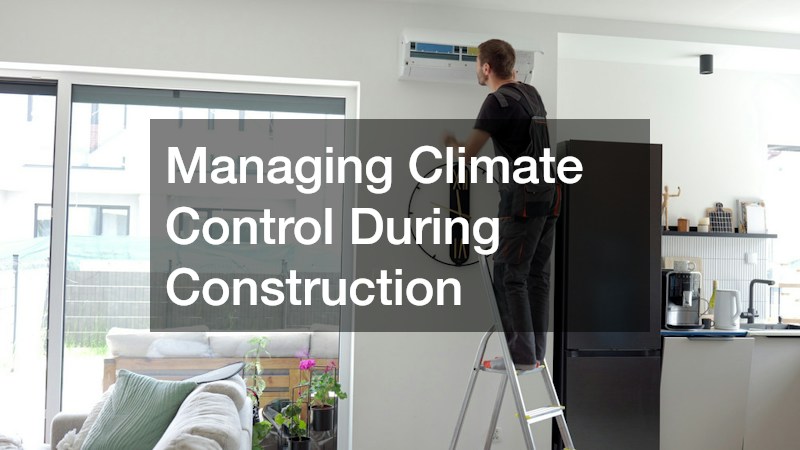
Renovations often involve opening up walls, removing windows, or disconnecting ductwork, all of which can throw off your home’s temperature regulation. If your project overlaps with extreme weather, it is worth scheduling an inspection beforehand so small issues do not turn into bigger headaches mid-project. A quick air conditioning repair before a summer renovation, for instance, can prevent you from sweating through a heat wave with your system already strained by open doors and plastic sheeting.
It also helps to ask your contractor how long certain systems will be offline each day, especially if vents or units need to be temporarily disconnected. Planning around these gaps, like running portable units during peak heat hours, keeps the household functional while the main systems are being serviced or worked around.
- Ask contractors for a daily schedule of when HVAC access will be limited
- Use portable fans or space heaters for short-term gaps in service
- Seal off vents in work areas to prevent dust from spreading through ductwork
- Keep emergency contact information handy in case of unexpected system issues
Protecting Your Roof During Exterior Work
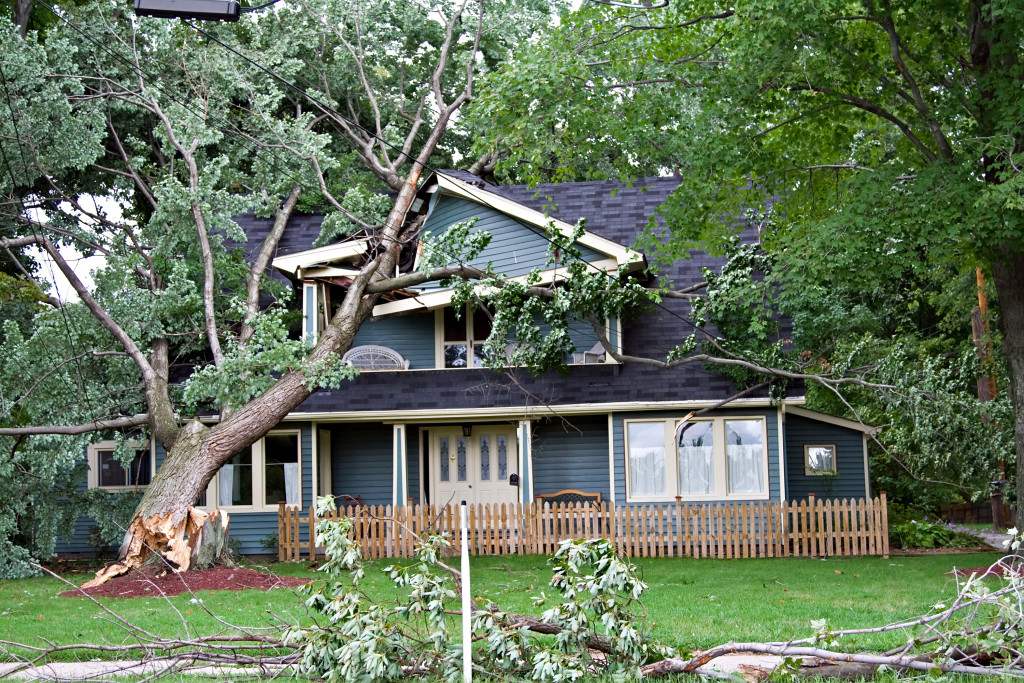
Exterior renovations, especially those involving additions, siding, or structural changes, can sometimes expose your roof to the elements longer than expected. If your project timeline includes roof-related work, it is smart to vet roofing companies carefully and ask how they plan to protect the rest of your home from leaks during the process. A reputable crew will have tarps and contingency plans ready in case weather rolls in before the job is finished.
Even if your roof is not the main focus of the renovation, nearby construction can loosen shingles or flashing without anyone noticing until a storm reveals the damage. Walking the perimeter of your home periodically during the project helps catch these issues early, before they turn into interior water damage.
- Confirm how long the roof will be partially open or exposed during work
- Ask about weather contingency plans for sudden rain or wind
- Check attic spaces for new leaks after major exterior work begins
- Keep gutters clear of construction debris throughout the project
Keeping Indoor Air Temperature Stable

Large renovation projects, particularly those touching insulation, windows, or ductwork, can place extra strain on your heating system, especially if the work happens during colder months. If your furnace is already older or struggling, a renovation is often the moment problems surface, since contractors may need to temporarily disconnect or relocate units. Scheduling a furnace replacement before winter construction begins can save you from dealing with a breakdown while your home is already in disarray.
Beyond the equipment itself, think about how construction debris and open spaces affect airflow throughout the house. Covering doorways with plastic sheeting and running portable heaters in your temporary living zone can bridge the gap while permanent systems are being adjusted or reinstalled.
- Have your furnace inspected before renovation season begins
- Ask your contractor how long heating will be interrupted each day
- Use space heaters safely in well-ventilated temporary living areas
- Keep an eye on humidity levels, which can spike during construction
Handling Outdoor Living Space Upgrades
If your renovation includes building or expanding outdoor spaces, staying comfortable often means adjusting how you use your yard during the build. Hiring an experienced deck contractor who communicates clearly about timelines helps you plan around noise, equipment storage, and limited yard access for weeks at a time. Ask for a rough schedule so you know when heavy machinery will be present and when the space might be temporarily unusable for relaxing or entertaining.
Outdoor projects also tend to generate significant debris, from old decking material to leftover hardware, so it helps to establish a designated drop zone away from walkways and play areas. Keeping pets and children clear of these zones until cleanup is complete reduces the risk of injury during an already busy period.
- Request a projected timeline for noisy or disruptive phases of outdoor work
- Set up temporary fencing or barriers around active work zones
- Store outdoor furniture and grills away from the construction footprint
- Confirm cleanup responsibilities before the project begins
Planning Around Kitchen and Storage Overhauls

Kitchen renovations are notorious for disrupting daily routines since they often take the longest and affect the most frequently used room in the house. If your project includes new custom builtin cabinets, factor in extra time for design approval, fabrication, and installation, since these elements are rarely a quick swap. Setting up a temporary kitchen area with a microwave, mini fridge, and electric kettle can keep your household fed without relying entirely on takeout.
It also helps to pack away everyday kitchen items ahead of time so you are not scrambling to find dishes buried in boxes mid-project. Labeling boxes by room and priority level makes it easier to access what you need without unpacking everything at once.
- Set up a temporary cooking station in a dining room or garage
- Pack a week’s worth of dishes and utensils separately for easy access
- Confirm cabinet installation timelines early, since custom orders take longer
- Keep a cooler on hand for perishables if your fridge is temporarily relocated
Addressing Restroom Access During Whole-Home Projects
When a renovation touches multiple bathrooms at once, or when plumbing lines need to be temporarily shut off, restroom access can become a genuine logistical challenge. For larger projects or extended timelines, many homeowners find that portable restroom rentals offer a practical solution that keeps the household functioning without constant juggling of a single working bathroom. This is especially useful if you have a large family, host guests regularly, or are also managing a crew of workers on site each day.
Beyond convenience, having a backup restroom option reduces wear and tear on whatever plumbing is still operational, which matters if your system is already stressed by construction work. It also gives everyone, including contractors, a clear and sanitary option without disrupting the limited facilities inside the home.
- Consider rental options for projects lasting longer than a few weeks
- Place units in an accessible but discreet location on the property
- Confirm servicing schedules to keep units clean throughout the project
- Communicate availability clearly with both family members and work crews
Monitoring Your Home Systems for Added Strain

Construction activity, dust, and temporary power adjustments can all put extra demand on the mechanical systems that keep your home running smoothly. It is worth having a trusted heating and air conditioning company do a mid-project check, especially if the renovation is extensive or spans multiple seasons, to catch small problems before they become major repairs. These systems often work harder during renovations due to open doors, temporary ductwork changes, and increased dust in the air filters.
Staying proactive rather than reactive saves money and frustration in the long run, since emergency repairs during an active renovation tend to cost more and take longer to schedule. Simple steps like changing air filters more frequently during construction can go a long way toward keeping your system healthy until the project wraps up.
- Change HVAC filters more often during dusty renovation phases
- Schedule a mid-project inspection for older or heavily used systems
- Watch for unusual noises or smells that could indicate added strain
- Keep vents and intake areas clear of construction materials
Preparing for Plumbing and Water Heater Interruptions
Plumbing work is one of the most disruptive parts of any renovation, since it often means water shutoffs that affect multiple areas of the home at once. Even a straightforward repipe or fixture swap can leave an entire floor without running water for several hours, so it helps to know in advance which bathrooms or kitchens will be affected and for how long. If your water heater is older, a renovation is a common time for it to show signs of wear, since added strain from nearby plumbing work can expose leaks, sediment buildup, or failing heating elements that were previously manageable. Arranging water heater repair before a prolonged shutoff helps avoid being caught without hot water entirely, especially if the unit is already past the eight-to-twelve-year mark when most tanks start to decline. A quick inspection beforehand can also reveal whether a full replacement makes more sense than a repair, which is worth knowing before contractors start opening up walls. Ask your contractor for advance notice before any shutoffs so you can plan showers, dishwashing, and laundry around the interruption. A 24- to 48-hour heads-up is usually enough time to fill a few containers with water for drinking and basic cleaning, run the dishwasher or laundry a day early, and schedule showers at a gym or a family member’s house if the outage is expected to last more than a day.
It also helps to know where your main shutoff valve is located in case of an unexpected leak during the renovation process. This valve is typically found near the water meter, in a basement, crawlspace, or utility closet, and it’s worth testing it before work begins to confirm it turns easily and fully stops the flow. Label it clearly and make sure everyone in the household, including the contractor crew, knows its location. It’s also wise to locate the shutoff valves for your water heater and any fixtures directly affected by the renovation, since isolating a single line can sometimes spare you from cutting water to the whole house. Ask your contractor ahead of time how long hot water will be unavailable, since replacing a water heater or rerouting pipes can mean anywhere from a few hours to a couple of days without it. Keeping a few gallons of stored water on hand for drinking and basic hygiene can ease the inconvenience during longer plumbing interruptions. A general guideline is one gallon per person per day, so storing enough for two to three days covers most short-term disruptions. It’s also worth filling a large container or bathtub with water before a planned shutoff, which can be used for flushing toilets or quick cleanups, and keeping some disposable wipes or a camp shower on hand can make hot-water outages far more bearable.
- Ask contractors for at least 24 hours notice before planned water shutoffs, and request a time window so you can plan showers, laundry, and dishes around it
- Locate your main water shutoff valve before work begins, and make sure every household member knows how to turn it off in an emergency
- Store extra water for drinking and hygiene during longer interruptions — a gallon per person per day is a safe minimum for a multi-day outage
- Fill a few jugs or the bathtub before any scheduled shutoff so you have water for flushing toilets and quick cleanups
- Have your water heater inspected if it is more than eight years old, since older units are more prone to failure under the added strain of renovation work
- Ask your plumber about temporary shutoff valves for isolated repairs, which can limit outages to a single bathroom or fixture instead of the whole house
Choosing Durable Materials for High-Traffic Renovation Areas
During a renovation, certain surfaces take a beating from foot traffic, tool placement, and general wear, which makes material choice an important comfort consideration. Many homeowners opt for quartz countertops in kitchens and bathrooms specifically because the material resists scratching and staining better than some alternatives, which matters when a space is also functioning as a workspace for contractors. Choosing durable surfaces upfront can reduce the need for touch-ups or replacements shortly after the main project wraps up.
Beyond durability, think about how easy a surface is to clean, since construction dust tends to settle everywhere no matter how carefully a space is sealed off. Smooth, non-porous materials make daily cleanup faster and help maintain a sense of normalcy even while other parts of the home remain under construction.
- Prioritize scratch and stain resistant materials in active work zones
- Choose surfaces that are easy to wipe down amid ongoing dust
- Ask contractors to protect finished surfaces with coverings during later phases
- Factor in long-term durability, not just initial appearance, when selecting materials
Staying comfortable during a major renovation comes down to planning ahead, communicating clearly with your contractors, and addressing small problems before they become bigger disruptions. From climate control to plumbing to outdoor work, each stage of the project has its own set of comfort challenges, but none of them are insurmountable with the right preparation. Take time now to walk through your own renovation timeline and identify which of these areas will affect your household most, then line up the professionals and solutions you will need in advance. A little foresight goes a long way toward making the renovation process feel manageable rather than overwhelming.