

Owning a home is one of the most rewarding investments you can make, yet it rarely comes with an instruction manual. For most busy households, maintenance happens reactively—a leak appears on the ceiling during a midnight storm, an appliance quits right before guests arrive, or a small draft turns into a staggering winter utility bill. Waiting until something breaks almost always costs more in both money and stress than catching the early warning signs.
The secret to stress-free property ownership is shifting from emergency triage to a predictable, seasonal rhythm. When you divide your upkeep into four manageable quarterly sprints, massive responsibilities become simple weekend tasks. Breaking the year into clear checkpoints ensures that every system in your house—from the roofline down to the foundation, and from the kitchen island out to the backyard—gets timely attention before weather extremes take their toll.
Whether you just closed on your first property or have lived in the same neighborhood for decades, following a structured seasonal calendar protects your equity, improves indoor comfort, and prevents minor wear from spiraling into major structural damage.
- Spring: Assessing Winter Damage and Preparing the Exterior
- Summer: Maximizing Outdoor Living and Protecting Hardscapes
- Fall: Weatherproofing the Envelope and Refreshing Interiors
- Winter: Preventing Freeze Emergencies and Upgrading Comfort
- Year-Round Planning: Sourcing Quality Materials and Long-Term Upgrades
- Making Seasonal Upkeep Effortless
Spring: Assessing Winter Damage and Preparing the Exterior

As snow melts and temperatures climb, spring gives you your first clear look at how your home weathered the winter. Freeze-thaw cycles, heavy winds, and ice accumulation take a quiet toll on exterior surfaces, making early spring the ideal time to inspect your home’s outer shell before heavy spring rains arrive.
Inspect Shingles, Flashing, and Attic Ventilation After Freeze-Thaw Cycles
Start your spring walkthrough from the ground using a pair of binoculars to scan the entire roofline. Winter storms often loosen fasteners or lift shingle edges in ways that are invisible from the driveway. Pay close attention to valleys, chimney flashing, and vent boots, as these transition points are the most common entryways for moisture.
- Look for granule loss: Check the ground near downspout exits for piles of dark, sand-like grit, which indicates aging or wind-scoured shingles.
- Check the attic on a sunny afternoon: Head up into your attic with a flashlight to look for tiny pinpricks of daylight, dark water stains on the underside of the roof decking, or compressed, damp insulation.
- Verify airflow: Ensure soffit and ridge vents are free of insulation blockages or bird nests so warm, moist air can escape properly as outdoor temperatures rise.
If you spot missing shingles, rusted flashing, or sagging rooflines, schedule a climbing inspection with a residential roofer right away. Addressing minor wind damage in April is far cheaper than repairing rotted sheathing and ruined drywall after a summer thunderstorm.
Clear Winter Debris and Upgrade Drainage Away From Your Foundation
Once you know the roof is sound, turn your attention to how water leaves it. Autumn leaves that were missed in November often freeze into solid plugs inside troughs and elbows over the winter, forcing spring rainwater to spill straight down your siding and pool against your foundation walls.
- Flush every run: Scoop out twigs and matted leaves by hand, then run a garden hose at full pressure through each downspout to confirm water flows freely out the bottom.
- Check pitch and fasteners: Sight down the length of your eaves to spot standing water or sections pulling away from the fascia board, which often signals rotted wood behind the metal.
- Extend ground discharge: Attach flexible or rigid extensions so water exits at least five to six feet away from your foundation perimeter.
If your current troughs leak at every seam, sag under heavy downpours, or overflow despite regular cleaning, consider investing in seamless rain gutter installation. Custom-fitted seamless channels eliminate weak joints and move high volumes of spring runoff safely away from your basement and landscaping.
Summer: Maximizing Outdoor Living and Protecting Hardscapes
Long, dry summer days create the best conditions of the year for exterior structural repairs and backyard maintenance. With humidity levels predictable and overnight freezing months away, mortars cure properly, sealants bond cleanly, and outdoor living spaces can be dialed in for peak enjoyment.
Stabilize Exterior Brick and Mortar While Temperatures Stay Dry
Masonry looks indestructible, yet mortar joints are intentionally softer than the surrounding brick so they can absorb seasonal building movement. Over time, driving rain and winter frost erode those joints, leaving recessed gaps where water can penetrate behind the veneer.
- Scan for white powdery residue: Known as efflorescence, chalky white deposits on exterior walls signal that moisture is moving through the masonry and evaporating on the surface.
- Inspect chimney crowns and porch steps: Look for hairline cracks in mortar caps, loose treads, or brick faces that are flaking and crumbling—a condition called spalling.
- Clean gently: Remove moss, algae, or dirt using a garden hose, a stiff nylon brush, and an oxygen-bleach masonry wash rather than a high-pressure washer, which can blast away healthy mortar.
Because lime- and cement-based mortars require warm, dry conditions to cure to full strength, summer is the prime window to schedule professional brick masonry repair. Repointing deteriorated joints now seals the building envelope well before autumn rains return.
Sanitize, Balance, and Safety-Check Backyard Water Features
Backyard water features turn hot afternoons into staycations, but neglecting routine equipment checks can quickly lead to cloudy water, burned-out pumps, or safety hazards. Establishing a simple weekly routine keeps water chemistry balanced and extends the lifespan of liners and filtration gear.
- Inspect structural walls and liners: Walk the perimeter to check for bowed uprights, rust spots near skimmers, or pinhole leaks along the floor coves.
- Service the circulation system: Lubricate O-rings on pump baskets, backwash or rinse filter cartridges, and run the pump during off-peak utility hours to keep water moving efficiently.
- Audit barrier safety: Test self-closing, self-latching gate hardware, secure removable ladders when not in use, and verify that electrical outlets near the water have working ground-fault circuit interrupters.
Staying consistent with pH, alkalinity, and sanitizer levels makes owning an above ground pool effortless throughout July and August, preventing algae blooms before they ever get a foothold.
Fall: Weatherproofing the Envelope and Refreshing Interiors

Autumn is all about transition. As daytime highs dip and holiday hosting approaches, your focus shifts toward sealing air leaks around your home’s exterior shell and preparing high-traffic indoor rooms for heavier daily use.
Lubricate Tracks, Test Auto-Reverse Sensors, and Seal Entry Thresholds
Large moving exterior openings take a beating every single day, yet homeowners rarely service them until a spring snaps or a motor stalls on a freezing morning. A twenty-minute autumn tune-up keeps mechanical parts running quietly and blocks cold drafts from seeping into adjacent rooms.
- Lubricate moving metal parts: Spray a white lithium or silicone-based lubricant onto hinges, rollers, and torsion springs—avoiding standard grease, which attracts grit and stiffens in cold weather.
- Test safety reverse mechanisms: Place a flat two-by-four wood block on the threshold under the closing path; the opener should reverse immediately upon contact.
- Replace brittle perimeter seals: Inspect the rubber sweep along the bottom edge and the vinyl weatherstripping along the jambs, swapping out any cracked sections that let daylight or leaves blow inside.
Well-maintained, properly insulated garage doors protect vehicles, keep adjacent mudrooms warm, and prevent cold air from radiating into bedrooms located directly above the bay.
Deep-Clean, Re-Seal, and Protect Natural Stone Kitchen Surfaces
Before Thanksgiving prep and holiday baking take over your kitchen, give your work surfaces a thorough refresh. Natural stone is remarkably durable, but acidic spills like lemon juice, wine, and tomato sauce can dull polished finishes if protective sealers have worn thin.
- Perform the water-drop test: Pour a quarter-sized puddle of plain water onto your island near the sink and wait ten minutes. If the stone darkens as it absorbs the moisture, it is time to reseal.
- Clean with pH-neutral products: Skip vinegar, bleach, and abrasive scrubbing pads, opting instead for warm water and a few drops of mild dish soap or a dedicated stone cleaner.
- Reinforce daily habits: Set out trivets for hot roasting pans, keep cutting boards within easy reach, and wipe up oil splatters promptly so they cannot penetrate microscopic pores.
Applying a quality impregnating sealer every year or two keeps a granite countertop resistant to stains and bacteria while preserving its natural depth and luster.
Winter: Preventing Freeze Emergencies and Upgrading Comfort
When freezing temperatures arrive, outdoor projects pause, and your home’s internal mechanical systems work overtime. Winter maintenance focuses on preventing catastrophic water damage from frozen pipes while catching subtle plumbing inefficiencies, as everyone is spending more time indoors.
Insulate Exposed Pipes and Resolve Subtle Bathroom Leaks Early
Water damage from burst pipes ranks among the most disruptive and expensive insurance claims homeowners face. Even a tiny, uninsulated pipe running through an exterior wall or unheated crawlspace can freeze overnight during a sharp cold snap.
- Wrap vulnerable supply lines: Slide split-foam insulation sleeves over exposed copper or PEX pipes in basements, crawlspaces, and utility closets, sealing seams with foil tape.
- Winterize exterior spigots: Disconnect and drain all garden hoses, close interior shutoff valves feeding outdoor sillcocks, and open exterior faucets slightly to drain residual water.
- Check for silent bathroom leaks: Drop a few drops of food coloring into each toilet tank and wait fifteen minutes without flushing; if color appears in the bowl, a worn flapper is wasting hundreds of gallons a week.
While swapping a worn flapper or tightening a loose supply nut is an easy Saturday fix, calling a licensed plumber for low water pressure, slow main drains, or recurring toilet repairs ensures underlying valve or venting issues are solved safely before holiday guests arrive.
Year-Round Planning: Sourcing Quality Materials and Long-Term Upgrades

Beyond seasonal upkeep, every modern homeowner eventually faces larger decisions about upgrading worn-out interiors and replacing tired furnishings. Slower winter weeks or quiet late-summer afternoons are ideal moments to research materials, compare craftsmanship, and plan long-term investments without rushing against a contractor’s deadline.
Choose Timeless Natural Surfaces That Withstand Daily Wear
Whether you are updating a powder room vanity, framing a living room fireplace hearth, or designing a mudroom drop zone, natural stone adds permanent value that synthetic laminates rarely match. Making smart selection choices early prevents costly surprises during fabrication.
- Inspect full slabs in person: Small four-inch showroom squares rarely capture dramatic veining, natural fissures, or color shifts across an entire slab.
- Match finish to function: Polished finishes reflect light and resist staining well in kitchens, while honed or leathered textures hide fingerprints and water spots beautifully in busy family baths.
- Ask about edge profiles and templating: Eased or bullnose edges resist chipping far better than sharp square corners in high-traffic hallways and islands.
Working directly with an established local stone company allows you to hand-select your exact slab, verify digital laser templating, and ensure seamless seam placement during installation.
Invest in Ergonomic, Built-to-Last Pieces Over Disposable Decor
Fast furniture looks tempting when you want to fill an empty room quickly, yet particleboard frames and low-density foam cushions typically sag, wobble, and end up at the curb within a few years. Treating major furnishings as decade-long investments creates a far more comfortable and sustainable home.
- Examine frame construction: Look for kiln-dried solid hardwood frames with corner-blocked, doweled, or mortise-and-tenon joinery rather than staples and glue.
- Check suspension and cushion cores: Eight-way hand-tied springs or heavy-gauge sinuous coils paired with high-resiliency foam wrapped in down provide lasting support.
- Prioritize performance upholstery: Choose tightly woven, high-rub-count fabrics that resist pilling, pet claws, and accidental coffee spills without harsh chemical treatments.
Partnering with a reputable furniture company that stands behind its joinery and cushion warranties saves money over time and anchors your living spaces with pieces you actually enjoy using every day.
Making Seasonal Upkeep Effortless
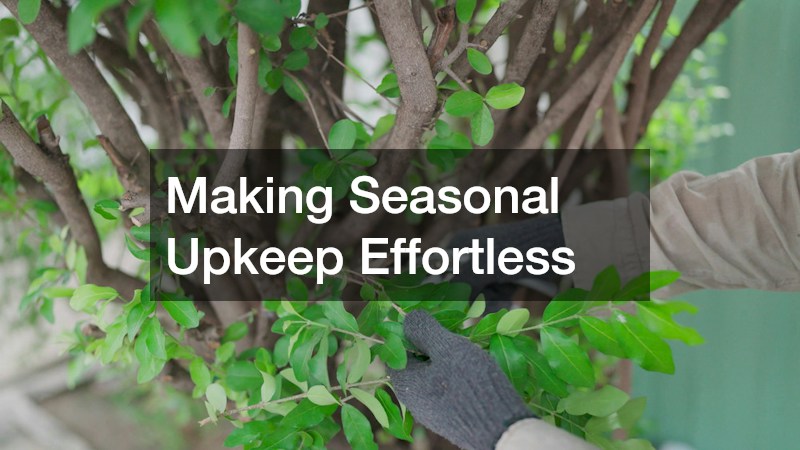
A well-maintained home does not require endless weekends of backbreaking labor—it simply requires consistency. When you break property care down into small, intentional habits across spring, summer, fall, and winter, you stay ahead of weather damage, keep utility costs predictable, and protect the comfort of everyone under your roof. If you have questions about home renovations, contact your local home renovator.