

For most people, a house is much more than just a place to sleep at night; it is the single largest financial asset they will ever own. Protecting, maintaining, and ultimately growing that investment requires a calculated strategy. When the time comes to renovate, it is incredibly easy to get swept up in personal design fantasies. Many homeowners pour tens of thousands of dollars into highly personalized, niche renovations—such as a built-in basement aquarium, a hyper-specific heavily patterned wallpaper, or a recording studio—only to find out these projects yield little to no return when it comes time to sell. While your home should absolutely reflect your personality, a smart homeowner must balance personal enjoyment with broad market appeal.
Increasing your property’s overall value means learning to look at your living space through the discerning eyes of a future buyer. Buyers are often looking for turnkey properties that feel modern, clean, and structurally sound. They want to envision their own lives unfolding in the space without having to immediately tackle a laundry list of expensive repairs. This comprehensive guide explores the most lucrative, universally appealing upgrades you can make. From modernizing core gathering spaces like the kitchen and bath to strategically expanding your usable square footage outdoors, these calculated improvements will elevate your daily living experience today while securing a substantial financial return tomorrow.
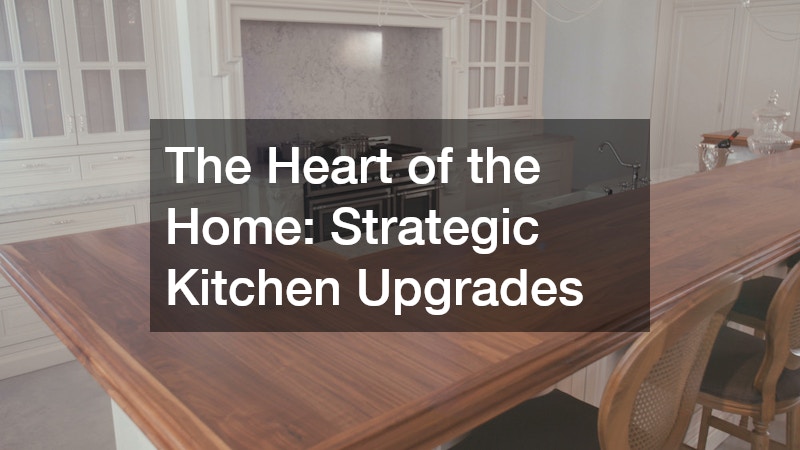
The Heart of the Home: Strategic Kitchen Upgrades
Focus on Resilient, Low-Maintenance Surfaces
The kitchen is universally acknowledged as the heartbeat of the modern home. It is where families gather to start their day, where homework is done, and where guests naturally congregate during parties. Because it sees the highest volume of daily traffic and endures significant wear and tear, buyers are hyper-focused on the quality and durability of the materials used in this space. While natural stones like marble are undeniably beautiful, they are porous, prone to staining from acidic foods like wine or citrus, and require meticulous annual maintenance.
Instead of dealing with high-maintenance materials, today’s market heavily favors engineered durability that does not sacrifice aesthetics. Installing a premium quartz countertop is one of the most effective ways to instantly elevate the valuation of your kitchen. Because it is an engineered material made from natural stone dust mixed with durable resins, it is non-porous, highly resistant to stains and scratches, and never requires sealing. It offers the luxurious, high-end look of natural marble or granite but provides the hygienic, low-maintenance lifestyle that modern families crave.
Upgrade the Foundation Beneath Your Feet
Your kitchen flooring takes a constant beating from dropped utensils, spilled liquids, and heavy foot traffic. If your kitchen currently features cracked ceramic tiles with discolored grout or peeling, outdated linoleum, it immediately ages the entire home and signals to buyers that a costly renovation is looming. Upgrading the foundation beneath your feet is a critical step in modernizing the space.
When selecting new flooring, prioritize materials that can handle moisture while providing a warm, cohesive look.
-
Luxury Vinyl Plank (LVP): This is rapidly becoming the gold standard for kitchens. It is entirely waterproof, incredibly durable against pet scratches, and convincingly mimics the look of high-end wood.
-
Engineered Hardwood: For high-end homes, engineered hardwood offers a thick veneer of real wood over a stable plywood core, making it less susceptible to moisture warping than solid hardwood.
-
Seamless Transitions: Whichever material you choose, the goal should be a seamless visual flow. Visiting specialized flooring stores allows you to compare wide-plank options that can be run continuously from the kitchen into adjoining living rooms, creating an optical illusion of a much larger, cohesive floor plan.
Modernize Hardware and Fixtures for a Quick Facelift
If a complete, down-to-the-studs kitchen gut is not within your current budget, do not underestimate the transformative power of a cosmetic facelift. Often, the bones of a kitchen are perfectly fine, but the superficial details are anchoring it in a past decade. Modernizing your hardware and plumbing fixtures is a highly cost-effective strategy that yields a massive visual impact.
-
Cabinet Hardware: Swap out small, builder-grade knobs for sleek, oversized bar pulls in contemporary finishes like brushed brass or matte black. This simple change instantly modernizes older cabinetry.
-
The Kitchen Sink and Faucet: The sink is the workhorse of the room. Upgrading to a deep, single-basin stainless steel or composite granite sink paired with a commercial-style, high-arc pull-down faucet adds a layer of professional functionality that buyers love.
-
Illumination: Outdated dome lights can make a kitchen feel dreary. Install modern pendant lights over the island and implement under-cabinet LED strip lighting to brighten up dark corners and highlight your new countertops.
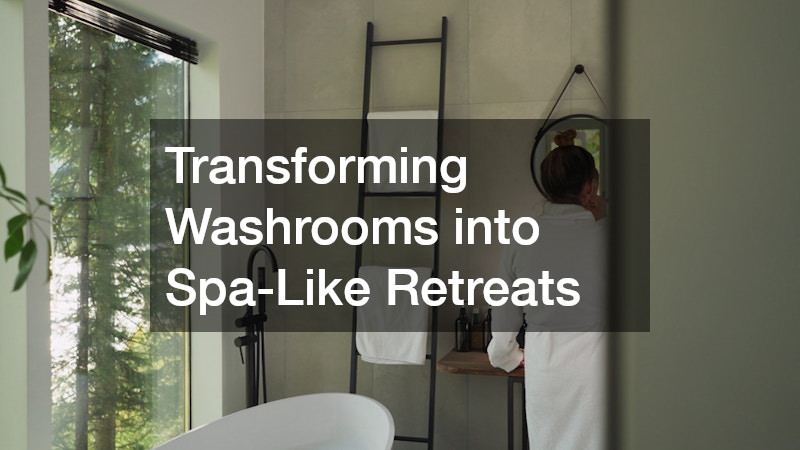
Transforming Washrooms into Spa-Like Retreats
Prioritize Walk-In Showers and Double Vanities
The primary bathroom has evolved from a purely utilitarian space into a sanctuary for relaxation and self-care. Decades ago, massive jetted corner tubs were the pinnacle of bathroom luxury. Today, however, these bulky fixtures are viewed by most buyers as massive dust collectors that waste valuable square footage and hot water. The contemporary buyer is looking for a sleek, spa-like experience focused on daily efficiency and luxury.
The most lucrative move you can make in a primary bath is to remove the unused tub and replace it with a massive, luxurious walk-in shower. To execute this correctly, it is highly recommended to collaborate with professional bathroom remodelers who can properly grade the floor for drainage and install reliable waterproofing membranes behind the tile. Features like frameless glass enclosures, floor-to-ceiling large-format tiles, and dual showerheads (including a rainfall fixture) create an undeniable “wow” factor. Additionally, if space permits, reconfiguring the plumbing to accommodate a double vanity with ample storage is practically a prerequisite for buyers shopping in the mid-to-high price tiers.
Control Natural Light and Privacy Elegantly
Bathrooms present a unique design challenge: they require abundant, bright lighting for tasks like shaving and applying makeup, yet they demand absolute privacy from the outside world. Older homes often solve this with heavy, mold-prone fabric curtains or frosted glass blocks that look distinctly dated. Modernizing how your bathroom handles light and privacy is a subtle but highly effective upgrade.
Instead of heavy fabrics, consider installing high-quality, moisture-resistant window blinds constructed from faux wood or advanced composite materials. These materials will not warp, crack, or harbor mildew in a humid environment. They allow you to easily control the angle of natural light streaming into the room while maintaining complete privacy, offering a clean, architectural look that complements a freshly renovated space.
Update Plumbing to High-Efficiency Standards
A modern aesthetic must be backed up by modern performance. Homebuyers, particularly millennials and Gen-Z purchasers, are increasingly conscious of environmental impact and monthly utility costs. If your bathroom still relies on decades-old plumbing fixtures, you are missing an opportunity to add tangible value.
-
Low-Flow Toilets: Replace older toilets that use upwards of three gallons per flush with sleek, modern WaterSense-certified models that use a fraction of the water without sacrificing flushing power.
-
Eco-Friendly Showerheads: Modern aerating showerheads maintain high water pressure while significantly reducing hot water waste.
-
Behind-the-Wall Reliability: Updating the visible fixtures is great, but ensure that the shut-off valves and supply lines are also replaced to guarantee a leak-free, reliable system for the next owner.

Maximizing First Impressions with High-Impact Curb Appeal
Refresh the Exterior Palette to Reflect Modern Tastes
Real estate professionals often repeat a simple truth: if a buyer doesn’t like the outside of your house, they will never make it through the front door. Curb appeal is the visual handshake of your property. Over time, exterior paint fades, chips, and peels due to relentless UV exposure and harsh weather. Furthermore, color trends shift; the mustard yellows or drab browns of the early 2000s can make a home look tired and dated.
Refreshing the exterior palette is one of the most powerful tools for boosting property value. The psychology of color in real estate suggests sticking to universally appealing, earthy neutrals—such as warm greys, soft whites, or deep navy blues—paired with crisp, high-contrast trim to make architectural details pop. Because exterior painting requires meticulous scraping, caulking, and weather-resistant application, it is wise to vet and hire reputable painting companies in your area. Professional preparation ensures the new color not only looks flawless but also seals the home against moisture intrusion for years to come.
Replace Worn Entry Points for Immediate ROI
When analyzing annual remodeling impact reports, one project consistently ranks at or near the very top for return on investment: replacing the garage door. Because the garage often occupies a massive percentage of a home’s front-facing facade, a dented, fading, or structurally warped door drags down the aesthetic of the entire property, regardless of how beautiful the surrounding landscaping might be.
Swapping out an old unit is a fast, high-impact project. Reach out to local garage door companies to explore modern options that complement your home’s architecture. A carriage-style door with decorative hardware can add immense charm to a traditional home, while a contemporary door featuring horizontal frosted glass panels can completely modernize a mid-century property. Beyond aesthetics, modern insulated doors improve the home’s overall thermal envelope and operate with whisper-quiet precision, signaling to buyers that the home is well-maintained.
Invest in Drought-Tolerant, Low-Maintenance Landscaping
A lush, beautiful yard is highly desirable, but a yard that requires hours of backbreaking labor every weekend is a major deterrent for busy modern buyers. The goal of front-yard landscaping should be maximum visual impact with minimal required upkeep.
-
Xeriscaping and Native Plants: Transition away from vast, thirsty grass lawns toward drought-tolerant landscaping. Incorporating native plants ensures your garden will thrive in your local climate with very little supplemental watering or chemical fertilizers.
-
Fresh Mulch: Never underestimate the power of contrast. A fresh layer of dark brown or black mulch instantly makes plants stand out and gives the entire yard a crisp, professionally manicured appearance.
-
Automated Irrigation: Installing a smart, weather-connected drip irrigation system is a massive selling point. It assures buyers that the beautiful landscaping will survive without them having to stand outside with a hose every evening.

Expanding Your Footprint with Outdoor Living Zones
Build a Seamless Transition from Indoors to Outdoors
The concept of usable square footage has expanded beyond the exterior walls of the house. Today’s buyers view the backyard not just as a patch of grass, but as an open-air extension of the living room. Creating a seamless transition from the indoors to the outdoors is a guaranteed way to increase your property’s appeal and functional footprint.
Achieving this requires a sturdy, well-designed platform. While traditional pressure-treated lumber is cheap, it requires constant staining and is prone to splintering and rot. Instead, work with experienced decking contractors to design a multi-level composite deck. High-quality composite materials resist fading, do not harbor wood-destroying insects, and clean up easily with a simple hose-down. A beautifully constructed, low-maintenance deck provides a durable stage for outdoor lounging and entertaining, effectively adding another room to your house.
Create a Dedicated Alfresco Dining and Prep Area
Taking a basic patio to the next level involves bringing functional indoor capabilities to the outside. An outdoor cooking space shifts the backyard from a place where you occasionally sit to a place where you actively host and live.
To execute this properly and safely, you will want to move beyond a simple rolling charcoal grill. Designing a built-in culinary hub requires careful planning of utilities and materials. Collaborating with specialized outdoor kitchen contractors is highly recommended. These professionals can trench and run dedicated natural gas lines so you never run out of fuel mid-barbecue. They can construct weather-proof masonry islands topped with durable concrete or granite prep counters, and integrate stainless steel storage drawers, drop-in coolers, and high-BTU sear zones. This level of built-in luxury is a massive draw for buyers who love to entertain.
Incorporate Climate Control for Year-Round Usability
An outdoor living zone loses its value if it can only be used comfortably for three months out of the year. To maximize the return on your backyard investment, you must incorporate elements that allow for climate control, extending the usability of the space into the early spring and late autumn.
-
Shade Structures: A louvered pergola or a solid-roof pavilion provides crucial relief from the blistering summer sun and protects outdoor furniture from unexpected rain showers.
-
Air Circulation: Installing outdoor-rated ceiling fans under your covered patio not only cools the space down but also creates a breeze strong enough to deter mosquitoes and flies.
-
Heat Sources: For chilly evenings, a built-in gas fire pit or a dramatic stone fireplace creates a magnetic gathering spot. Radiant electric heaters mounted to the ceiling of a pergola can also keep a dining area comfortably warm well past sunset.
Structural Enhancements and Light Optimization
Let in the Light by Upgrading the Glazing
Human beings are naturally drawn to light. A home that feels dark, compartmentalized, and shadowy will inevitably sit longer on the market and command a lower price than a bright, airy counterpart. Older homes often suffer from small, poorly placed casement or double-hung units that fail to capture the sun’s path or highlight surrounding views.
Upgrading your glazing can completely transform the atmosphere of a room. Consider identifying a dark space—like a central living room, a master bedroom, or a grand stairwell—and replacing the standard wall setup with a massive, statement-making architectural window. Whether it is an expansive, unobstructed picture glass that frames a beautiful backyard tree, or a striking geometric shape placed high on a vaulted wall to capture morning light, these specialized fixtures flood the interior with serotonin-boosting natural light and make the entire home feel larger and more expensive.
Reconfigure Awkward Layouts to Improve Flow
While cosmetic updates are powerful, sometimes a home’s underlying footprint is the primary issue holding back its value. Homes built several decades ago were often highly compartmentalized, with the kitchen hidden away from the formal dining and living areas. Today’s buyer almost universally prefers an open-concept layout where natural light can penetrate deep into the home and families can interact across different zones seamlessly.
Achieving this often requires removing interior walls, which is not a project for an enthusiastic amateur. It is imperative to consult with licensed custom home builders or structural engineers before wielding a sledgehammer. They can determine which walls are merely partitions and which are critical load-bearing structures holding up your roof. Properly opening up a cramped, awkward layout and reinforcing the structure with a hidden steel or LVL beam is a massive undertaking, but it fundamentally redefines the home’s livability and dramatically elevates its market ceiling.
Future-Proof the Home with Smart Tech Integrations
As the modern world becomes increasingly connected, the modern home must keep pace. Buyers, particularly younger demographics, expect a home to possess a certain level of technological intelligence. Fortunately, integrating smart home tech is one of the least structurally invasive ways to boost perceived value.
-
Climate and Access: Installing a smart thermostat allows homeowners to control their HVAC system remotely, optimizing energy usage. Pairing this with a smart video doorbell and biometric or keypad door locks provides a sense of security and modern convenience.
-
Lighting Systems: Smart lighting switches and automated exterior timers allow the home to intuitively respond to the time of day, ensuring you never come home to a dark house.
-
Infrastructure: Taking the time to hardwire ethernet connections into key areas like the home office or entertainment center ensures lightning-fast, uninterrupted internet speeds, a crucial feature in the era of remote work and ultra-high-definition streaming.
Balancing Vision with Return on Investment
Embarking on a journey of home improvement is an exciting endeavor that promises to enhance your daily life and solidify your financial future. The key to a truly profitable renovation is balancing your distinct personal vision with broad, undeniable market appeal. Projects that improve the fundamental flow of the house, dramatically increase the presence of natural light, modernize outdated surfaces with durable materials, and extend usable living space into the outdoors are virtually guaranteed to yield favorable financial returns.
However, a final word of caution: always investigate the specific dynamics of your neighborhood before breaking ground on a massive project. Real estate is heavily hyper-local, and there is a ceiling to what a specific market will support. Over-improving a property for its zip code—for example, installing a $150,000 chef’s kitchen in a neighborhood where the average home sells for $300,000—will rarely result in a full return on your investment.
The smartest approach is to start small and plan strategically. Make a prioritized list of updates based on what is currently dragging down your home’s aesthetic or functionality. Set a realistic budget, research local market trends, and begin reaching out to vetted local experts to get preliminary quotes on your top two projects. By making calculated, quality-driven improvements, you will create a stunning living environment today while building substantial, lasting equity for tomorrow.